Views: 0 Author: Site Editor Publish Time: 2025-12-10 Origin: Site


Electric butterfly valves are essential for precise fluid control. These valves integrate traditional butterfly designs with modern electric actuators. They provide an efficient, reliable solution for various industries.
In this article, we will explore what an electric butterfly valve is, how it works, and its benefits. You’ll also learn about its components and applications in diverse industries.
The valve body is the main structural component of the electric butterfly valve, responsible for connecting the valve to the pipeline. The material used for the valve body varies based on the application's needs. Common materials include ductile iron, stainless steel, and carbon steel. The choice of material is critical because it must withstand the specific pressure, temperature, and chemical conditions of the system in which the valve is installed. The valve body houses the internal components such as the valve disc, actuator, and seals, ensuring that these parts are securely contained and operate efficiently within the pipeline.
The valve disc, often referred to as the "butterfly," is the rotating element inside the valve body that controls the flow of fluid. When the valve is fully open, the disc aligns parallel to the flow path, allowing maximum flow. When the valve is closed, the disc rotates 90 degrees to block the flow. The disc is made of materials like stainless steel, aluminum bronze, or ductile iron, depending on the type of fluid and the operating environment. The material choice for the disc ensures durability, resistance to corrosion, and minimal wear, which contributes to the valve’s long lifespan.
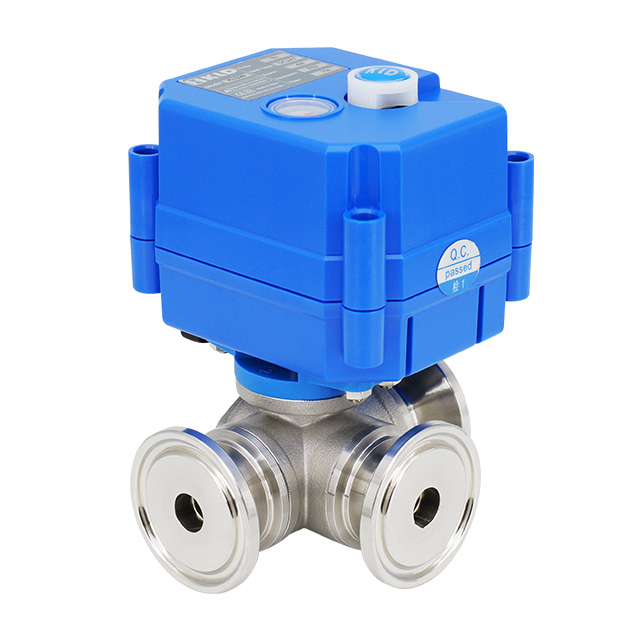
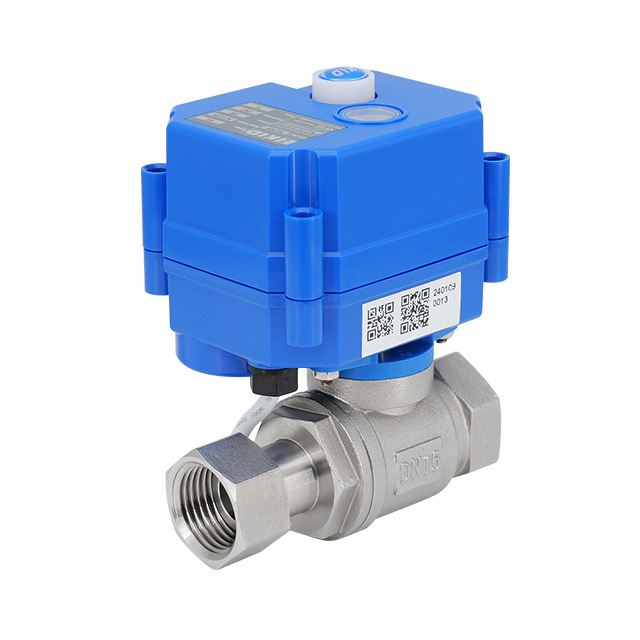
The electric actuator is the driving force behind the operation of an electric butterfly valve. It converts electrical energy into mechanical motion, enabling precise control over the valve's position. Electric actuators are available in various types, such as AC or DC powered, and can be classified into on/off-type or modulating actuators. The on/off-type actuator is designed for simple open/close functionality, while the modulating actuator allows for more precise flow control, making it ideal for applications that require variable flow rates. The actuator’s role is to rotate the valve stem, which in turn moves the butterfly disc to the desired position, ensuring accurate regulation of fluid flow.
Feedback mechanisms in electric butterfly valves play a vital role in providing real-time data on the valve's position, ensuring accurate and reliable operation. These systems typically involve position sensors or other monitoring tools that send feedback to a control system. This allows operators to verify the exact position of the valve, making adjustments as needed. The integration of feedback systems enables the automation of the valve's operation, facilitating remote monitoring and control. This feature is particularly valuable in large industrial facilities where manual intervention is impractical and safety is paramount.
Component | Description | Function |
Valve Body | Made of ductile iron, stainless steel, etc. | Connects the valve to the pipeline and houses internal parts. |
Valve Disc | Circular metal disc | Controls fluid flow by rotating to open or close the valve. |
Electric Actuator | Electric motor with a reduction gear | Drives the valve stem to rotate the valve disc. |
Feedback Mechanism | Sensors and monitoring systems | Provides real-time data on valve position for precise control. |
The operation of an electric butterfly valve begins when the electric actuator receives a control signal, typically from a centralized control system. The actuator then turns the valve stem, which is connected to the butterfly disc. As the actuator rotates the stem, the disc moves between the open and closed positions, or it can be set to intermediate positions for partial flow regulation. The valve operates with a quarter-turn motion, allowing it to open or close quickly, which is particularly beneficial in systems that require fast response times. This simple yet effective operation makes the electric butterfly valve suitable for both on/off and modulating control.
Electric actuators function by converting electrical energy into mechanical movement. It drives the valve stem, which in turn rotates the butterfly disc. This process is highly efficient, as it allows for precise positioning of the valve, ensuring accurate flow control. The actuator mechanism typically includes an electric motor, a reduction gear, and a shaft that connects to the valve stem. In on/off-type actuators, the motor moves the disc between fully open and fully closed positions. In modulating actuators, the motor can adjust the disc to intermediate positions, allowing for fine control over the flow rate.
One of the key advantages of electric butterfly valves is their ability to integrate seamlessly with automated control systems. Electric actuators provide precise control, enabling valves to be adjusted remotely or automatically without the need for manual operation. This reduces the need for labor and increases operational efficiency. Additionally, electric operation is more energy-efficient compared to pneumatic or hydraulic systems, as electric actuators typically consume less power. The ability to fine-tune the valve’s position also allows for better flow regulation, which is crucial in applications where maintaining specific flow rates is essential.
Electric butterfly valves are available with two main types of actuators: on/off-type and modulating-type. The on/off-type actuator is designed to provide simple on/off control, making it ideal for applications where the valve only needs to be fully open or fully closed. This type of actuator is cost-effective and easy to operate. On the other hand, modulating-type actuators offer more precise control, allowing the valve to be adjusted to any position between fully open and fully closed. This feature is particularly useful in systems that require accurate flow modulation, such as in chemical processing or HVAC systems.
Electric butterfly valves are available in a variety of materials to suit different application needs. The material selection for the valve body, disc, and seat is critical to ensuring the valve’s durability and performance in challenging environments. Stainless steel is a popular choice for its corrosion resistance, making it ideal for applications involving harsh chemicals or high temperatures. Ductile iron is often used for its strength and cost-effectiveness, while plastic options like PVC or CPVC are chosen for their resistance to corrosive fluids. The choice of material must align with the specific requirements of the system, including fluid type, pressure, and temperature.
There are different connection types, such as wafer, lug, and flanged connections. Each type has its advantages depending on the installation requirements. Wafer-style valves are compact and easy to install between two flanges, making them ideal for applications with limited space. Lug-type valves have threaded lugs that allow for easy removal of the valve from the pipeline without affecting the rest of the system, making them suitable for dead-end services. Flanged valves offer a more secure connection, providing greater stability for high-pressure applications, though they require more space and installation effort.
Actuator Type | Function | Application |
ON/OFF Type | Provides simple on/off control. | Suitable for applications where the valve is fully open or fully closed. |
Modulating | Offers precise control over valve position. | Ideal for systems requiring variable flow control. |
Explosion-Proof | Designed to work safely in hazardous environments. | Used in environments with flammable gases or dust. |
Electric butterfly valves are highly energy-efficient due to their low torque operation. The electric actuator provides quick opening and closing of the valve, which is crucial in systems that require rapid response times, such as emergency shut-off valves or processes that involve frequent cycling. The efficiency of electric operation reduces overall energy consumption, contributing to lower operational costs.
One of the standout features of electric butterfly valves is their ability to be operated remotely through automated systems. This eliminates the need for manual operation, reducing labor costs and minimizing human error. The integration of feedback systems also allows operators to monitor the valve’s performance in real time, ensuring optimal operation and safety. Remote operation is particularly advantageous in hazardous or hard-to-reach environments, as it allows for control without exposing personnel to potential risks.
Electric butterfly valves are designed for durability, with high-quality materials used to withstand the harshest conditions. The valve body and disc are built to resist wear and corrosion, ensuring long-term reliability and minimal maintenance. The simplicity of the valve design also contributes to its longevity, as fewer moving parts mean fewer opportunities for failure.
Electric butterfly valves require minimal maintenance due to their simple design and the absence of complex mechanical components. The electric actuator is designed to operate with minimal wear, reducing the frequency of maintenance and downtime. Additionally, the modular design of electric butterfly valves makes them easy to service and replace, contributing to lower lifecycle costs and higher operational efficiency.
Benefit | Description |
Energy Efficiency | Electric actuators use less power, reducing energy costs. |
Remote Operation | Allows for control from a distance, improving safety. |
Low Maintenance | Fewer moving parts lead to reduced wear and longer valve life. |
Durability | Electric butterfly valves are built to withstand harsh conditions. |

Electric butterfly valves are widely used in water treatment plants to control the flow of water through various stages of the treatment process. They regulate flow rates, maintain pressure balance, and ensure efficient operation of pumps and filtration systems. In wastewater treatment, these valves help manage the flow of sewage and ensure proper distribution of water for treatment processes.
In the oil and gas industry, electric butterfly valves are essential for controlling the flow of crude oil, natural gas, and other petroleum products in pipelines. These valves are often used for flow isolation, emergency shut-off, and regulating the flow of fluids in critical processes.
Electric butterfly valves play a key role in HVAC systems, where they regulate the flow of water or air through pipes and ducts. These valves help maintain proper temperature control by adjusting the flow of heating or cooling fluids. In energy systems, electric butterfly valves are used to control the flow of steam and water in power plants, contributing to the overall efficiency and safety of energy generation.
The chemical and pharmaceutical industries rely on electric butterfly valves to regulate the flow of chemicals and sensitive substances. These valves are designed to handle aggressive and corrosive fluids, ensuring precise flow control while maintaining safety standards. In pharmaceutical production, electric butterfly valves are crucial for maintaining the cleanliness and sterility of the production environment.
When selecting an electric butterfly valve, several factors must be considered. These include the type of fluid, pressure, temperature, and the operating environment. For instance, a valve used in a corrosive environment will require materials that resist chemical degradation, while a valve in a high-pressure system will need to be rated for the specific pressure conditions.
Choosing the right material and size for the valve is essential to ensure proper performance. Stainless steel is ideal for corrosive fluids, while cast iron is often used for standard applications. The size of the valve should match the diameter of the pipeline to ensure proper flow control and prevent issues such as leakage or insufficient flow regulation.
Consider whether a on/off-type actuator or a modulating actuator is needed based on the control requirements. On/off-type actuators are cost-effective and work well for simple on/off applications, while modulating actuators provide more precise control for systems that require variable flow rates.
Electric butterfly valves are essential in modern fluid control systems. They provide precise, reliable, and energy-efficient control across various industries. Their remote operation, low maintenance, and durability offer clear advantages over traditional valves. By understanding their components and benefits, industries can enhance efficiency and reduce costs. Products from KLD offer exceptional value, providing reliable performance and long-term durability, meeting the needs of diverse industrial applications.
A: An electric butterfly valve is a fluid control device that uses an electric actuator to open or close a valve disc, regulating the flow of fluids or gases. It combines the simplicity of traditional butterfly valves with advanced electric control for precise and efficient operation.
A: An electric butterfly valve operates by using an electric actuator to rotate the valve disc, which opens or closes the fluid path. This mechanism allows for precise flow control and quick adjustments, ideal for automated systems.
A: Electric butterfly valves offer several benefits, including energy efficiency, low maintenance, remote operation, and precise control. They are durable and suitable for a wide range of industrial applications, making them more efficient than traditional valves.
A:Electric butterfly valves offer remote operation, precise control, and rapid response, making them ideal for automated systems. They reduce labor costs, enhance efficiency, and provide greater reliability compared to manual valves.
A: Regularly inspect the valve for leaks, ensure the actuator is functioning properly, and clean the valve components. The electric actuator should also be calibrated periodically to ensure precise flow control and optimal performance.