

Views: 0 Author: Site Editor Publish Time: 2026-02-09 Origin: Site


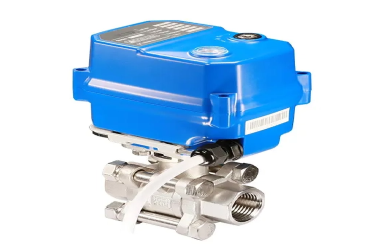
Electric actuators are essential components in modern industrial applications, converting electrical energy into mechanical motion to perform a variety of tasks. Among the many voltage options available, 24V electric actuators are a popular choice for industrial systems due to their combination of efficiency, safety, and compact design. These actuators are commonly used in applications ranging from automation and robotics to valve control and material handling. Their ability to provide precise and reliable motion while operating at a lower voltage makes them ideal for environments where energy efficiency and safety are critical. Selecting the right 24V electric actuator is crucial for ensuring optimal performance, minimizing downtime, and integrating smoothly with existing systems in industrial settings.
Determining the required force and torque for your application is essential when selecting a 24V electric actuator. This factor ensures that the actuator can handle the load without overloading or underperforming. Calculate the force needed for the task, taking into account factors like the weight of the components to be moved, the friction in the system, and any external forces that may affect the actuator's operation. For higher load requirements, ensure the actuator provides sufficient torque to deliver the necessary movement.
The type of motion required is another key consideration. Linear motion is typically used in applications where straight-line movement is needed, such as adjusting a valve or moving a conveyor belt. Rotary motion is used for tasks involving rotational movement, like turning a valve or controlling a robotic arm. Deciding between linear or rotary motion will guide you in selecting the appropriate actuator type based on your specific task and mechanical system needs.
Speed and precision are critical for many industrial applications. Some tasks may require fast movement, while others need high accuracy. Choose an actuator that meets the speed and positioning requirements of your application. If your system needs to stop at exact positions or maintain consistent speed, look for actuators with built-in feedback systems such as encoders or potentiometers for precise control. Matching the actuator's performance to the system's needs will ensure smooth operation and prevent errors or delays.
The environmental conditions in which the actuator will operate are crucial to its longevity and performance. Consider factors such as temperature extremes, moisture levels, and exposure to chemicals or dust. Some applications require actuators to function in harsh environments, such as outdoor settings or chemical processing plants. Ensure the actuator is rated for such conditions by selecting models with appropriate IP ratings (Ingress Protection) for water and dust resistance, as well as corrosion-resistant materials for durability in challenging environments.
24V electric actuators are highly energy-efficient for industrial applications. They consume less power compared to higher-voltage actuators, making them ideal for energy-conscious environments. Their lower voltage requirement reduces overall power consumption, contributing to lower operational costs. Additionally, 24V actuators can be integrated into systems with renewable energy sources, such as solar power, further enhancing their energy efficiency. Their ability to deliver precise motion with minimal energy use makes them an excellent choice for industries aiming to reduce their carbon footprint and operating expenses.
The lower voltage of 24V actuators provides an added layer of safety for both workers and equipment. Operating at a safer voltage reduces the risk of electric shock, making these actuators safer to handle, especially in environments where workers are in close proximity to machinery. This makes them suitable for applications in industries with high safety standards, such as food processing, medical equipment, and other sensitive environments. Furthermore, 24V actuators tend to have fewer electrical hazards, reducing the risk of fires or electrical malfunctions in the system.
24V electric actuators are typically more compact compared to their higher-voltage counterparts. Their smaller size makes them ideal for use in tight industrial spaces where available room is limited. This compactness allows for easier integration into systems with space constraints, such as small machinery, robotics, or automation devices. Despite their smaller size, these actuators are capable of providing high performance, making them versatile for a wide range of applications without compromising on functionality or efficiency.
24V electric actuators integrate seamlessly with industrial control systems such as PLCs and remote controls. PLCs can send commands to actuators, enabling precise control for tasks like valve adjustment or robotic arm positioning. Remote control integration allows for off-site operation and monitoring, providing flexibility and enhancing system efficiency. This compatibility makes 24V actuators ideal for automation in various industrial environments.
For 24V electric actuators, a stable 24V DC power supply is essential. This can be provided by a dedicated power source, battery, or transformer. In industrial settings, it's important to ensure a consistent power supply to avoid performance issues. Using regulated power supplies helps maintain stable voltage, ensuring reliable actuator operation even in environments with fluctuating power loads. This stability enhances the actuator's efficiency and longevity.
The choice between linear and rotary actuators depends on the type of motion required for your application:
Linear actuators provide straight-line motion, ideal for tasks like adjusting valves, lifting or pushing components, and positioning in assembly lines.
Rotary actuators produce rotational movement, suitable for turning valves, rotating robotic arms, or adjusting gears and dampers.
Choosing the right actuator type depends on whether your system requires linear or rotational motion for precise and efficient task completion.
Selecting an actuator based on load capacity ensures optimal performance:
Heavy-duty actuators are designed to handle higher loads and more strenuous tasks, such as moving large machinery components or working in demanding industrial environments.
Light-duty actuators are suitable for tasks that require less force and are typically used in smaller, less intensive applications, such as consumer products or smaller automation systems.
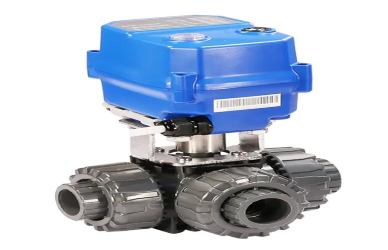
Proper Alignment: Ensure that the actuator is correctly aligned with the components it’s controlling to prevent mechanical stress and ensure smooth operation.
Secure Mounting: The actuator should be securely mounted to avoid vibration or shifting, which could affect performance. Use appropriate fixtures and brackets to hold the actuator in place.
Wiring and Connections: Ensure all electrical connections are secure and properly insulated. Verify that the actuator’s power supply matches the system’s voltage requirements (24V DC).
Clearances: Leave sufficient space around the actuator for ventilation, maintenance, and potential adjustments.
Environment Protection: For outdoor or harsh environments, ensure the actuator is housed in protective enclosures to prevent damage from moisture, dust, or chemicals.
Regular Inspections: Perform routine checks to identify wear and tear, loose connections, or signs of damage.
Lubrication: For actuators with moving parts like lead screws or gears, regular lubrication is necessary to reduce friction and prevent overheating.
Cleanliness: Keep actuators clean from dirt, dust, and debris, especially in industrial settings where particles can affect performance.
Electrical Checks: Inspect electrical connections for any signs of corrosion or wear, and test the feedback system for accurate performance.
Calibration: Periodically recalibrate the actuator to ensure it operates within the required parameters for precision control.
24V actuators offer energy efficiency, compact size, and increased safety, making them ideal for industrial environments where space and power consumption matter.
Calculate the force and torque required for your application and select an actuator that can handle these demands without overloading, ensuring optimal performance.
Yes, 24V actuators can easily integrate with industrial control systems like PLCs, as long as they are compatible with the control signals and power supply requirements.
Regularly inspect the actuator for wear and tear, keep it clean, lubricate moving parts as needed, and check electrical connections to ensure long-lasting performance.
Selecting the right 24V electric actuator for industrial applications is crucial to ensuring optimal system performance, efficiency, and reliability. By carefully considering factors such as load capacity, motion type, environmental conditions, and compatibility with control systems, you can choose an actuator that meets the specific demands of your application. A well-chosen 24V actuator enhances energy efficiency, reduces maintenance costs, and contributes to smoother operation in industrial environments. Ultimately, making the right selection not only improves system performance but also increases the longevity of the actuator, ensuring that it delivers consistent and reliable results over time.


