

Views: 0 Author: Site Editor Publish Time: 2026-02-09 Origin: Site


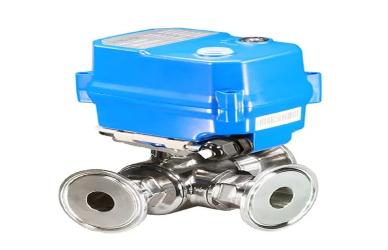
Electric actuators are vital components used in a wide range of industries, from manufacturing and robotics to HVAC systems and water treatment. These devices, which convert electrical energy into mechanical motion, play a critical role in automating and optimizing processes globally. As international trade grows, understanding the import and export processes for electric actuators becomes increasingly important for global buyers.
One of the key aspects of international shipping and customs is the Harmonized System (HS) code, a standardized system used worldwide to classify products for import and export. The HS code ensures consistency in product identification and helps customs authorities apply the correct tariffs, taxes, and regulations. For buyers and sellers of electric actuators, knowing the correct HS code is essential to navigate customs procedures efficiently, minimize delays, and avoid unexpected fees during cross-border transactions.
An HS (Harmonized System) code is a globally recognized system for classifying products in international trade. Developed by the World Customs Organization (WCO), it uses a numerical code to identify products based on their characteristics, such as material, function, and usage. The system is used by over 200 countries worldwide and helps streamline trade by ensuring uniformity in product categorization. For instance, an electric actuator will be assigned a specific HS code under the machinery or electrical component categories.
HS codes play a crucial role in simplifying the customs process by:
Classifying Products: Customs authorities rely on HS codes to quickly identify and classify goods during the import/export process.
Speeding up Clearance: By having a standardized code, goods pass through customs more efficiently, reducing delays and ensuring quicker processing.
HS codes help determine the appropriate tariffs and duties that need to be paid on imported products. Each HS code is linked to a specific tariff rate, which allows customs authorities to calculate taxes based on the nature of the goods. This ensures that products are taxed appropriately and consistently across international borders, reducing the risk of errors or discrepancies.
Electric actuators typically fall under HS Code 8486, which is the classification for "Machines and apparatus for the treatment of materials by a process involving a change of temperature, including those for heating, cooking, or refrigeration." More specifically, the HS code for electric actuators can be categorized under 8486.20, which includes "electric actuators" and related machinery used in automated systems.
The HS code 8486 helps classify electric actuators used for controlling flow in valves, dampers, and other equipment in industrial applications, ensuring they are processed appropriately through customs channels.
The HS code follows a systematic structure, with each part representing a specific classification:
First 2 digits (84): Indicate the general category of machinery and equipment.
Next 2 digits (86): Specify the subcategory of machines for controlling or processing materials.
Next 2 digits (20): Further define electric actuators, distinguishing them from other types of machinery.
This hierarchical structure ensures that electric actuators are categorized with similar devices, such as motors and valves, for efficient international trade processing.
Electric actuators fit within Chapter 84 of the Harmonized System, which covers machinery and mechanical appliances. They are further classified under Heading 8486 for machinery used in industrial processes. The subheading 8486.20 specifically identifies electric actuators, placing them alongside similar products like pneumatic actuators and hydraulic valves. This allows electric actuators to be clearly identified for proper duties, tariffs, and trade regulations during international shipping.
Here’s a simplified guide to importing electric actuators:
Step 1: Identify the Product and HS Code
Ensure you have the correct HS code for the electric actuators, which helps in determining tariffs and customs clearance.
Step 2: Find a Supplier
Choose a reliable supplier who meets international standards and has experience exporting.
Step 3: Negotiate Terms of Sale
Agree on Incoterms, payment methods, and delivery terms with your supplier.
Step 4: Arrange Shipping
Work with a freight forwarder to arrange transportation, including packaging and route selection.
Step 5: Submit Customs Documentation
Provide necessary documents like the commercial invoice, packing list, and bill of lading.
Ensure the following documents are ready for customs clearance:
Commercial Invoice: Lists goods, their value, and terms of sale.
Packing List: Describes the packaging, weight, and quantity.
Bill of Lading (BOL): Confirms the shipping agreement.
Certificate of Origin: Required by some countries for proving product origin.
Import License: If needed, based on the product type or country.
Customs Declaration: Submitted to customs for clearance.
Customs Duties and Tariffs: Use the HS code to find applicable tariffs and duties.
Import Restrictions: Check for any product-specific regulations or certifications.
Customs Valuation: Customs will use the invoice and shipping costs to calculate duties.
Clearance and Delivery: After clearance, arrange for final delivery, often assisted by a freight forwarder.
Verify Supplier Credentials: Choose suppliers with a proven track record in international trade and check references, reviews, and certifications. Ensure they follow quality standards and have experience exporting electric actuators.
Request Certifications and Documentation: Ensure the electric actuators meet local safety standards (such as CE or UL certification) and industry-specific regulations. Ask for necessary compliance documents and product specifications.
Sample Testing: If possible, request samples before bulk purchasing. This ensures the actuators meet your specifications and quality expectations.
Clear Terms of Sale: Agree on Incoterms, payment terms, and delivery schedules up front to avoid confusion or disputes during the shipping process.
Work with a Freight Forwarder: A freight forwarder will help manage the logistics of shipping, including selecting the best shipping routes and handling packaging, insurance, and documentation. They can also ensure that the electric actuators are packed securely for international transport.
Choose a Customs Broker: A customs broker helps navigate the complex customs clearance process. They are knowledgeable about local regulations, duties, and taxes, ensuring that your import complies with all customs requirements. They will assist in preparing and submitting the correct paperwork, reducing delays and potential fines.
Coordinate Documentation: Ensure your freight forwarder and customs broker have all necessary documents, such as commercial invoices, packing lists, HS codes, and import licenses, to streamline the clearance process.
International trade agreements influence duties, tariffs, and import regulations, making the import process more cost-effective and efficient. Key impacts include:
Reduced Tariffs: Trade agreements often lower or eliminate tariffs, reducing the cost of importing electric actuators. For example, tariffs can be cut to zero between member countries.
Simplified Customs Procedures: Agreements standardize customs processes, speeding up clearance and reducing delays.
Harmonized Regulations: Agreements align product standards across countries, making it easier for electric actuators to meet compliance requirements and reducing the need for multiple certifications.
NAFTA (now USMCA): Reduces tariffs and simplifies trade between the U.S., Canada, and Mexico, allowing for duty-free imports of electric actuators if they meet origin rules.
EU Trade Policies: The EU's agreements offer duty-free imports within the region and standardized safety requirements, simplifying the compliance process for electric actuators.
Other Agreements: Regions like ASEAN and China benefit from agreements like RCEP, reducing tariffs and customs barriers for electric actuators.
The HS code for electric actuators typically falls under HS Code 8486, but it may vary depending on the specific type and components of the actuator.
You can find the correct HS code by consulting the Harmonized System database or by contacting a customs broker who can help classify your product properly.
Some countries may require certifications for electric actuators, such as CE marking in the EU or UL certifications in the US, depending on the application.
Trade agreements can reduce tariffs or eliminate duties on electric actuators between certain countries, improving cost-effectiveness for global buyers.
Understanding HS codes and the import process for electric actuators is crucial for ensuring smooth international transactions. The HS code helps classify products correctly, determining the appropriate tariffs, duties, and regulations, which can significantly impact the cost and efficiency of importing. By knowing the proper procedures, including required documentation and working with trusted suppliers, freight forwarders, and customs brokers, global buyers can avoid delays and unexpected costs. In addition, being aware of regional trade agreements and their impact on the import process allows businesses to take advantage of reduced tariffs and simplified customs procedures, ensuring a more seamless and cost-effective experience when importing electric actuators.


