Views: 0 Author: Site Editor Publish Time: 2025-12-10 Origin: Site


Electric valves are transforming the way industries manage fluid control. Have you ever wondered how they work? Specifically, how does an electric butterfly valve operate?
In this article, we will explore the role of electric valves in fluid systems, focusing on the electric butterfly valve. You'll learn how these valves function, their components, and their key benefits across various industries.
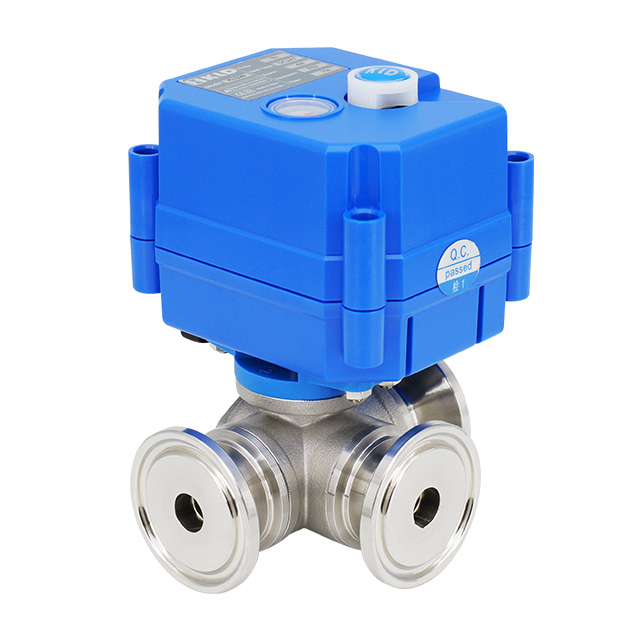
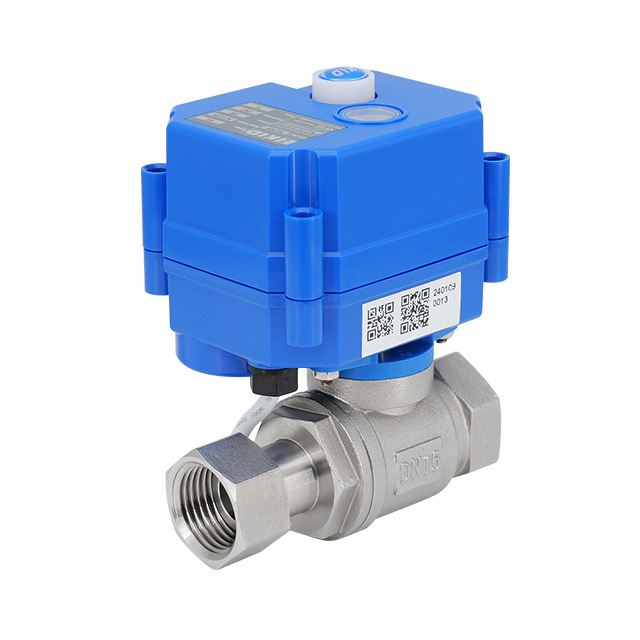
Electric valves consist of several key components that work together to regulate fluid flow. Understanding these components is essential to appreciating how the valve operates and how to troubleshoot or optimize performance.
The electric actuator is the heart of an electric valve. It converts electrical energy into mechanical movement, controlling the valve's position. The actuator's primary function is to open or close the valve based on electrical signals.
The actuator typically uses a motor, which can be AC (alternating current) or DC (direct current), to rotate or move a mechanical component that controls the valve's opening and closing. In some cases, the actuator can also adjust the valve's position to modulate the flow, offering more control than simple on/off valves.
● AC Actuators: Commonly used in industrial applications, providing consistent performance with high power output.
● DC Actuators: Used for more precise control and typically consume less power.
● Modulating Actuators: These actuators allow for precise control of the valve position, regulating flow rates and pressures.
● On/Off Actuators: These actuators simply open or close the valve without any intermediate position control.
● Explosion-Proof Actuators: Designed for hazardous environments where electrical equipment needs to be protected from explosions.
The valve body is the structural component that houses the valve's internal parts and connects it to the pipeline. It is typically made of materials such as stainless steel, brass, or cast iron, depending on the application’s needs. The valve body provides the necessary flow path for the fluid or gas, allowing it to pass through when the valve is open and blocking it when the valve is closed.
Electric valves use electronic control signals to determine the valve's position. These signals can come from sensors, controllers, or automated systems. The control system can be simple (like a basic on/off switch) or complex (like a PLC-based system that modulates the valve position in real time based on process conditions).
Component | Function |
Electric Actuator | Controls the valve’s position by converting electrical energy into mechanical movement. |
Valve Body | Houses internal components and connects the valve to the pipeline. |
Control Mechanism | Receives electronic signals to operate the valve based on system requirements. |
Feedback Mechanism | Provides position feedback for precise control and automation. |
Electric valves are driven by electrical energy, which triggers the actuator to move the valve. The operation of an electric valve involves the conversion of electrical energy into mechanical energy, enabling precise control of the valve’s position.
Electric valves operate by using electrical signals to activate the actuator, which in turn moves the valve. This movement could either open or close the valve or adjust it to a specific position. The actuator’s motor is driven by current, which drives the gear to rotate the valve to its desired position.
For example, in an electric butterfly valve, the actuator rotates the valve disc to control the flow of fluid. When the actuator receives an electrical signal, it rotates the valve disc from a closed position (0°) to an open position (90°), or to any intermediate position in the case of a modulating actuator.
The actuator in an electric valve uses a motor to drive gears to rotate the valve open or close. This process is highly efficient and can be controlled with high precision. Depending on the actuator's design, the valve can respond quickly to changes in the control signal, making it ideal for automated systems.
The electric actuator is responsible for the accuracy and reliability of the valve's operation. It adjusts the valve's position to regulate the flow of fluids or gases, ensuring that the system maintains the desired conditions (e.g., pressure, temperature, or flow rate).
One of the key benefits of electric valves is the ability to provide precise control. By using electronic control signals, these valves can modulate their position accurately, allowing for fine adjustments to fluid flow. This is particularly important in processes where even small changes in flow can affect the quality or efficiency of production.
Electric valves can operate in two main modes:
● Modulating Control: This type of valve allows for continuous adjustment of the valve position, enabling precise control over flow rates and pressures.
● On/Off Control: This type of valve simply opens or closes the valve, with no intermediate positions. It is commonly used in applications where full flow or no flow is required.
Control Type | Function | Applications | Advantages |
Modulating Control | Allows continuous regulation of flow by varying valve position. | Process control, temperature regulation | High precision, efficient flow control |
On/Off Control | Opens or closes the valve fully | Simple flow control, isolation valves | Simple operation |
An electric butterfly valve is a type of electric valve that uses a rotating disc to control the flow of fluid or gas. The valve body contains a disc that rotates to open or close the flow path. The electric actuator is responsible for rotating the disc, providing precise control over the flow.
Unlike other electric valves, such as ball valves or gate valves, electric butterfly valves are designed for applications where a high flow capacity is needed. They are typically used for regulating large volumes of fluid or gas with minimal pressure loss. The compact design of the butterfly valve makes it ideal for applications with space constraints.
Electric butterfly valves are widely used in industrial applications due to their ability to handle large volumes of fluid, energy efficiency, and ease of automation. They offer quick opening and closing times, reduce maintenance, and enable control of both flow and pressure in the system.
Electric butterfly valves function by rotating a disc inside the valve body. The actuator moves the disc to either a fully open or fully closed position, or to a partially open position for flow regulation. The design of the valve allows for precise control over the fluid flow, making it suitable for a wide range of industrial applications.
● Wafer-type Electric Butterfly Valve: Compact and cost-effective, this type of valve is ideal for systems with limited space.
● Flanged-type Electric Butterfly Valve: Provides a strong connection for large-diameter pipelines and is commonly used in high-pressure systems.
The actuator connected to the valve disc rotates the disc in a circular motion, either opening or closing the flow path. This rotation is controlled by the electrical signals received by the actuator, providing precise and reliable flow regulation.
Electric valves are highly energy-efficient because they rely on electrical signals to control the valve's position, eliminating the need for additional power sources like compressed air or hydraulic fluids. This makes them a more environmentally friendly and cost-effective solution, especially when compared to traditional pneumatic or hydraulic valves that consume more energy. Their efficient design helps in reducing overall energy consumption and operating costs.
One of the significant advantages of electric valves is their ability to integrate seamlessly into automated systems, enabling remote operation. This capability reduces the need for manual intervention and enhances system safety by minimizing human errors. Additionally, remote monitoring and control allow operators to make real-time adjustments to valve settings, optimizing performance and ensuring consistent operation across systems without needing to be physically present.
Electric valves require minimal maintenance compared to manual or pneumatic valves. Their simple design, with fewer moving parts, reduces wear and tear, minimizing the risk of failure. This results in less downtime and lower maintenance costs. They are ideal for applications where reliability is crucial, and their low-maintenance nature enhances the overall efficiency of operations.
Electric valves are built for longevity, using durable materials and components that ensure reliable performance even in harsh industrial environments. Their robust construction helps reduce the frequency of replacements and ensures that they continue to function effectively over time. This durability makes them an excellent long-term investment, providing businesses with a better return on investment by lowering the need for frequent repairs or replacements.

Electric valves play a critical role in water treatment plants by regulating the flow of water through filtration systems. They help to maintain stable flow rates and pressures, ensuring that the treatment process runs smoothly. These valves are essential for controlling the distribution of water in various stages of purification, preventing overflows and ensuring efficiency in treatment processes.
In the oil and gas industry, electric valves are indispensable for controlling the flow of fluids and gases through pipelines. They are particularly useful in high-pressure systems and remote locations where automation and reliability are vital. Electric valves ensure safe and efficient flow regulation, reducing the need for manual intervention and enabling the remote operation of systems, even in hazardous environments.
Electric valves are widely used in HVAC systems to manage the flow of heating and cooling fluids. They play a key role in regulating temperatures and airflow throughout buildings. By maintaining consistent flow and pressure, these valves ensure optimal comfort and energy efficiency in residential, commercial, and industrial heating and cooling systems.
In the food and pharmaceutical industries, electric valves are used to precisely control the flow of ingredients, chemicals, and other substances. Their ability to maintain consistent flow and pressure is essential for ensuring the quality and safety of products. These valves help meet strict industry standards for hygiene and accuracy, preventing contamination and ensuring that production processes are both efficient and reliable.
Industry | Application | Benefits of Using Electric Butterfly Valve |
Water Treatment | Flow control in water distribution systems | Efficient operation, reduces labor costs |
HVAC Systems | Temperature and flow control in heating & cooling | Precise modulation, energy savings |
Oil & Gas | Pipeline flow control | Reliable, remote operation, durable in harsh conditions |
Pharmaceutical & Food Processing | Control of liquid flow in manufacturing | Ensures safety, high accuracy, minimizes contamination |
Electric valves, particularly electric butterfly valves, play a crucial role in modern fluid control systems. Their precision, energy efficiency, and remote operation capabilities make them perfect for industrial applications. By understanding how electric valves work, industries can optimize performance and minimize maintenance costs. With these advantages, KLD's electric valves are key to enhancing automation and fluid control in various sectors.
A: An electric valve is a device that uses an electric actuator to control the flow of liquids or gases within a system. It can be operated remotely, offering precision and efficiency.
A: An electric butterfly valve uses an electric actuator to control the rotation of the valve disc. This regulates the flow of fluid in a pipeline with high precision.
A: Electric valves offer energy efficiency, low maintenance, remote operation, and long durability, making them ideal for automated fluid control systems.
A: Electric butterfly valves are designed to control larger volumes of flow with a rotating disc, while other electric valves may use different mechanisms, such as ball valves or gate valves.
A: Yes, electric butterfly valves are known for their energy efficiency due to their low torque operation, which reduces overall energy consumption in fluid control systems.