

Views: 0 Author: Site Editor Publish Time: 2026-02-09 Origin: Site


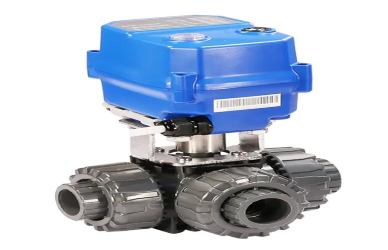
Electric actuators play a crucial role in modern valve systems, converting electrical energy into mechanical motion to precisely control the opening and closing of valves. These actuators are essential in industries that require automated, reliable, and efficient control of fluid flow, pressure, and temperature. By integrating electric actuators with valve systems, companies can achieve more accurate and consistent performance compared to traditional manual or pneumatic systems. The ability to automate valve operation not only improves operational efficiency but also reduces the potential for human error, increases safety, and allows for remote monitoring and control. Whether in oil and gas, water treatment, HVAC, or chemical processing, electric actuator valve systems are transforming how industries manage their fluid control processes.
On/Off electric actuators are designed for simple valve control, typically providing a straightforward open/close operation. These actuators are ideal for applications where valves only need to be fully opened or closed, without the need for intermediate positions. They are commonly used in shutoff valves where controlling the start or stop of fluid flow is required. On/Off actuators are reliable, easy to use, and cost-effective for basic valve control tasks.
Modulating electric actuators offer more sophisticated control by providing precise adjustments to the valve position, allowing for continuous regulation of flow. These actuators can adjust the valve to any position between fully open and fully closed, making them ideal for applications that require precise flow control, such as in temperature regulation, pressure control, or flow balancing in industrial processes. The ability to finely control the valve position makes modulating actuators essential for maintaining system stability and performance.
Quarter-turn electric actuators are designed for valves that require a 90-degree rotation, such as ball valves, butterfly valves, and plug valves. These actuators are ideal for applications where rapid opening and closing are necessary, as they provide quick and reliable valve movements. They are often used in systems where the valve must either fully open or fully close, such as in gas pipelines, HVAC systems, and water treatment plants. Quarter-turn actuators are compact, efficient, and well-suited for systems that need fast, automated valve control.
Multi-turn electric actuators are used for valves that require multiple rotations to move from fully open to fully closed, such as gate valves, globe valves, and slug valves. These actuators provide slower, more gradual movement, allowing them to control the flow of liquids or gases with greater precision over a longer range of motion. Multi-turn actuators are typically used in applications where fine throttling control is required, such as in steam systems, chemical processing, and high-pressure systems where gradual adjustments are necessary for optimal performance.
Ball valve systems are widely used in applications where quick shutoff and reliable performance are critical. These valves have a spherical ball with a hole through it, which rotates to either allow or block the flow of fluid. When integrated with electric actuators, they provide fast and efficient control over the flow of gases, liquids, or slurries. Ball valves are commonly used in oil and gas pipelines, water treatment plants, and HVAC systems where rapid response and secure sealing are essential for system efficiency and safety.
Butterfly valve systems are ideal for controlling flow in large pipelines, particularly where space is limited. These valves consist of a disc mounted on a rotating shaft that controls flow by pivoting. When paired with electric actuators, they offer precise and reliable control of airflow, water, or other media. Butterfly valves are often used in water distribution, HVAC systems, and chemical processing plants due to their efficiency in large-scale flow regulation, as well as their ability to handle a wide range of fluids at varying pressures.
Gate valve systems are typically used for on/off flow control, especially in high-pressure systems where tight sealing is necessary. These valves operate by lifting or lowering a gate-like element to control the flow of fluid. Electric actuators provide reliable and automated control for gate valves, offering consistent performance for long-term applications. They are commonly used in oil and gas pipelines, sewage treatment plants, and power stations where the ability to control large volumes of fluid at high pressure is crucial.
Globe valve systems are designed for precision flow control, making them ideal for throttling applications where fine adjustments are necessary. The design of a globe valve allows for gradual and precise regulation of flow, which is essential in applications where maintaining consistent fluid movement is critical. When paired with electric actuators, globe valves provide reliable automation for systems requiring detailed control of steam, water, or chemicals in industries such as chemical processing, pharmaceutical production, and power plants.
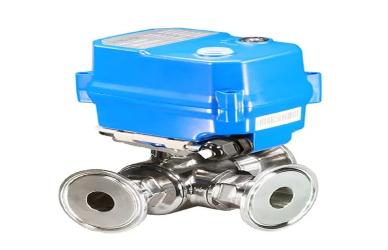
Electric actuator valve systems are critical in the oil and gas industry, where they are used for automated control of flow and pressure in pipelines. These actuators enable precise control over the movement of oil, gas, and other fluids through pipelines, ensuring consistent flow and preventing over-pressurization. Ball and gate valves, often paired with electric actuators, are commonly used for on/off flow control and shutoff in emergency situations. Additionally, electric actuators help optimize flow control in refineries and distribution systems, improving both safety and operational efficiency.
In water treatment plants, electric actuator valve systems are used to regulate the flow of water through various stages of purification, filtration, and chemical dosing. These actuators control the opening and closing of valves, ensuring the correct flow rates are maintained throughout the treatment process. Butterfly and globe valves, integrated with electric actuators, offer precise flow control for adjusting the amounts of chemicals added to the water, optimizing treatment effectiveness and ensuring regulatory compliance for clean water supply.
Electric actuator valve systems are widely used in HVAC (Heating, Ventilation, and Air Conditioning) systems to manage airflow and pressure within ducts and ventilation systems. These actuators control damper valves, which regulate the amount of air entering or exiting different parts of a building, maintaining comfortable temperature and humidity levels. By adjusting the flow of hot or cold air through vents, electric actuators help optimize energy usage and reduce operational costs in commercial and residential HVAC systems.
In chemical processing plants, electric actuator valve systems play a crucial role in controlling the flow of chemicals and liquids during production processes. Globe valves, commonly used in throttling applications, are often equipped with electric actuators to precisely regulate the flow of chemicals, ensuring that they are delivered at the correct rate for reactions and mixing. This level of control is vital for maintaining the safety, efficiency, and quality of chemical production in industries such as pharmaceuticals, petrochemicals, and food processing.
Electric actuator valve systems provide precise control over fluid flow, pressure, and temperature. They allow for fine adjustments in valve positions, essential in industries like chemical processing, water treatment, and HVAC, where accuracy is critical. Feedback systems such as encoders help maintain consistent performance and ensure reliable operation.
Electric actuators are energy-efficient, consuming power only when performing tasks, which reduces wastage and lowers operational costs. They can be paired with renewable energy sources, such as solar power, further enhancing efficiency. Automation also reduces the need for manual labor, providing additional long-term cost savings.
Electric actuators require low maintenance due to fewer moving parts and the absence of external air supply systems, reducing wear and downtime. They are also easy to integrate into existing industrial systems, simplifying automation and boosting overall efficiency.
On/off actuators provide simple open/close functionality, while modulating actuators offer precise control of valve positions to regulate flow continuously.
Common valves include ball, butterfly, gate, and globe valves, each suited to specific applications based on the required control and flow characteristics.
Electric actuators enhance valve system efficiency by offering precise, automated control, reducing energy consumption and operational costs compared to manual systems.
Consider factors such as valve type, required precision, load capacity, environmental conditions, and compatibility with existing control systems.
Electric actuator valve systems are crucial in a wide range of industries, providing precise control and automation for fluid and gas regulation. Their ability to offer fine adjustments in valve positions makes them essential for applications in chemical processing, water treatment, HVAC systems, and many more. The integration of electric actuators not only enhances system efficiency but also reduces operational costs and maintenance needs. By automating valve control, these systems improve reliability, safety, and performance, making them indispensable for modern industrial processes. The benefits of electric actuator valve systems—precision, energy efficiency, and low maintenance—make them a key technology in driving automation and optimizing operations across various sectors.


