Views: 0 Author: Site Editor Publish Time: 2025-12-10 Origin: Site


Butterfly valves play a key role in fluid control systems. Their simple yet efficient design makes them ideal for various industries. They help regulate or isolate fluid flow, from water to chemicals, with minimal space and cost.
In this article, we will explore the purpose of butterfly valves, particularly focusing on how they work, their benefits, and the industries that rely on them. You will also learn how electric butterfly valves enhance automation and efficiency.
Butterfly valves are simple in design but effective in regulating the flow of fluid. At the heart of a butterfly valve is a rotating disc, which is positioned in the center of the valve body. When the valve is operated, the disc rotates 90 degrees to either fully open or fully close the valve. This rotational movement controls the fluid flow, with the disc either perpendicular or parallel to the pipe’s flow path.
The butterfly valve operates by rotating the disc inside the valve body, either partially or fully, to control the flow rate. The angle of the disc directly impacts the volume of fluid that can pass through. In its closed position, the disc fully obstructs the flow, while in the open position, it allows maximum flow. The valve’s simplicity allows for fast and efficient operation.
The centric butterfly valve features a disc and stem that are centrally positioned within the valve body. This straightforward design is ideal for low-pressure applications where precision and tight shut-off are not the primary concerns. It is commonly used in less demanding systems where space and cost-effectiveness are prioritized.
In the eccentric butterfly valve, the stem is slightly offset from the center, providing a better seal during operation. This offset design helps the valve withstand higher pressures and minimizes the wear on sealing surfaces. Eccentric butterfly valves are ideal for moderate to high-pressure applications, ensuring reliable performance in environments where sealing integrity is crucial.
The double eccentric butterfly valve features two offsets in its design—one on the stem and another on the disc. This configuration helps reduce wear and tear, providing a more durable and reliable seal. It is particularly well-suited for high-pressure systems and environments where tight sealing is essential, such as in water treatment or industrial processes.
The triple eccentric butterfly valve is the most advanced type, featuring three offsets to ensure minimal disc-to-seat contact. This design offers the tightest seal, even under extreme temperatures and pressures. It is widely used in critical applications, such as chemical processing and steam systems, where precision and performance are paramount. The triple eccentric design reduces leakage and extends the lifespan of the valve in demanding conditions.
Valve Type | Design Features | Ideal Use Case |
Centric Butterfly Valve | Central disc and stem positioning | Low-pressure applications, cost-effective solutions |
Eccentric Butterfly Valve | Stem offset from center for better sealing | Moderate to high-pressure systems |
Double Eccentric Butterfly Valve | Two offsets to reduce wear | High-pressure applications, tight sealing needed |
Triple Eccentric Butterfly Valve | Three offsets for minimal disc-to-seat contact | Critical applications (chemical, steam, high pressure) |
Butterfly valves are primarily used to isolate or stop the flow of fluids. With their quick, quarter-turn operation, they can rapidly shut off or open the flow, making them ideal for applications where immediate control of flow is needed, such as emergency shutdowns.
Apart from shutting off flow, butterfly valves can regulate it. By adjusting the angle of the disc, butterfly valves control how much fluid passes through. This makes them ideal for situations where precise flow control is required, especially in large-diameter pipes in systems like water distribution or chemical processing.
Butterfly valves are known for their compact design, which requires less space compared to other valve types, such as ball or gate valves. This makes them a preferred choice in tight spaces or systems where weight and size are crucial factors. Their small profile also translates to cost savings, as they require less material to manufacture.
Butterfly valves are known for their affordability, thanks to their straightforward design and fewer components. This makes them an economical option compared to other valve types, especially in large systems. Their low manufacturing and material costs, along with reduced installation time, help minimize the overall expenses of fluid control systems, making them a popular choice for budget-conscious projects.
The quarter-turn design of butterfly valves enables fast actuation, allowing the valve to open or close with a simple 90-degree turn. This quick response makes butterfly valves ideal for systems that require rapid shut-off or frequent adjustments. Their fast operation helps reduce downtime and operational delays, improving the overall efficiency of the system and ensuring smooth, continuous performance.
One of the standout features of butterfly valves is their compact and lightweight design. These valves occupy less space compared to other valve types, such as ball or gate valves. This space-saving advantage is especially beneficial in installations where space is limited, such as in tight mechanical rooms or large-scale piping systems. The small footprint makes them easier to install, reducing the complexity of the system.
Butterfly valves are relatively low-maintenance due to their simple construction and fewer moving parts. Unlike more complex valve types, butterfly valves experience less wear and tear, which translates to fewer repairs and reduced maintenance costs. The design also leads to fewer breakdowns, extending the life of the valve and improving the long-term reliability of the system. Regular maintenance, such as checking seals and lubricating the components, is typically all that's needed to keep them functioning efficiently.

Butterfly valves are commonly used in water treatment plants, where they regulate and isolate the flow of water through filtration and distribution systems. They ensure consistent water flow and are crucial in maintaining system performance.
In heating, ventilation, and air conditioning (HVAC) systems, butterfly valves are used to control airflow in large ducts. Their compact size and quick operation make them ideal for managing airflow efficiently and ensuring consistent temperature regulation.
Butterfly valves play a key role in the oil and gas industry by regulating the flow of fluids in pipelines. They are used in both upstream and downstream applications where reliable shut-off and flow control are essential.
In chemical processing, butterfly valves are used to control the flow of chemicals and other aggressive media. The variety of materials available, including stainless steel and PTFE, allows them to handle corrosive and abrasive substances effectively.
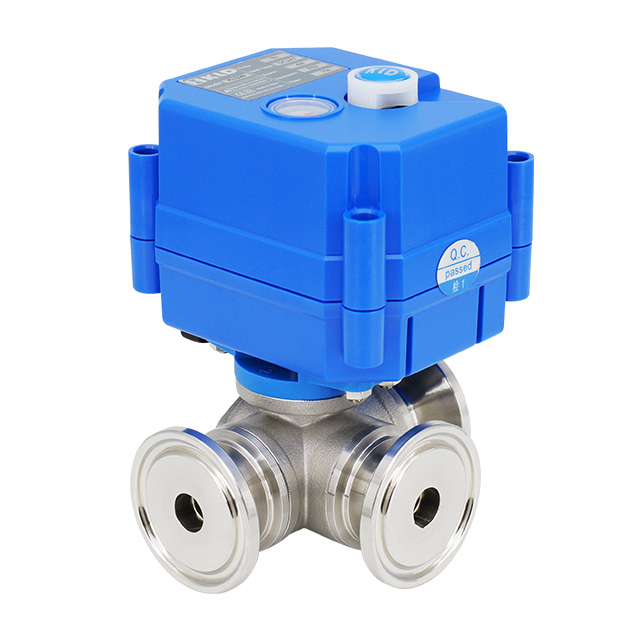
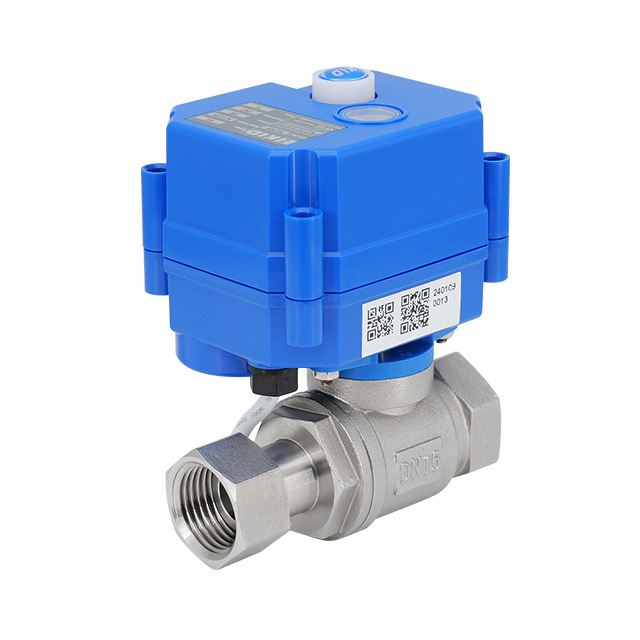
An electric butterfly valve is essentially a butterfly valve with an electric actuator that allows for automated operation. Instead of manual operation, the valve can be controlled remotely via electrical signals, making it ideal for applications requiring automation and precise flow regulation.
Electric butterfly valves are commonly used in systems where remote operation and precise control are necessary. They are often found in industries like pharmaceuticals, food processing, and chemical handling, where consistent and reliable performance is crucial.
Electric butterfly valves are particularly useful in applications where automation is needed, such as in HVAC systems or water treatment facilities. Their ability to be integrated into automated control systems allows for precise and efficient operation without the need for manual intervention.
When selecting a butterfly valve, it’s crucial to evaluate the specific needs of the application. Key factors include the system's pressure requirements, fluid type, and space constraints. For high-pressure systems, eccentric or double eccentric butterfly valves are preferred due to their enhanced sealing and durability. In contrast, centric butterfly valves are ideal for lower-pressure applications, offering a more cost-effective and efficient solution.
The material choice plays a significant role in the valve's performance and longevity. For environments with corrosive fluids, stainless steel or PTFE-lined butterfly valves are recommended due to their resistance to corrosion and wear. For less demanding applications, cast iron can be an economical option. Material selection ensures the valve can handle the conditions and extends its operational life.
Material | Best Used For | Advantages |
Stainless Steel | Corrosive environments, high-temperature fluids | Corrosion-resistant, high durability |
PTFE | Chemicals, highly corrosive media | Excellent chemical resistance, non-reactive |
Cast Iron | Standard industrial applications, low pressure | Cost-effective, good for non-corrosive media |
Choosing the right actuator depends on the level of automation and control required for the system. Manual actuators are suitable for basic applications with low automation needs. Pneumatic actuators are ideal for high-speed operations, while electric butterfly valves provide the most versatility. Electric actuators allow for precise control, remote operation, and integration into automated systems, making them ideal for applications requiring high efficiency and automation.
Factor | Consideration | Recommended Valve Type |
Pressure | High or low pressure systems | Eccentric, Double Eccentric, or Centric for low-pressure |
Fluid Type | Corrosive, chemical, or abrasive fluids | Stainless steel, PTFE, Cast iron |
Space Constraints | Installation space limitations | Centric butterfly valve for compact designs |
Automation Needs | Need for remote operation and precision control | Electric butterfly valve for automation and remote control |
Butterfly valves are essential in fluid control due to their compact design, cost-effectiveness, and quick operation. They are widely used in water treatment, HVAC, oil and gas, and chemical processing. Electric butterfly valves, with automation features, offer enhanced functionality for remote control and precise flow regulation. By understanding their types, advantages, and applications, industries can optimize fluid systems for better efficiency and cost savings.
When choosing a butterfly valve, consider the specific needs of your application. KLD offers high-quality valves that ensure optimal system performance.
A: A butterfly valve is used to regulate or isolate fluid flow in pipes. It is especially useful for large-diameter pipes and is cost-effective due to its simple design.
A: An electric butterfly valve uses an electric actuator to control the valve's movement, offering precise flow regulation and remote operation for automation.
A: Electric butterfly valves provide better control, automation, and remote operation, making them ideal for systems that require precision and efficiency.
A: Electric butterfly valves offer precise flow control, energy efficiency, and remote operation, making them suitable for industries like pharmaceuticals and food processing.
A: Yes, butterfly valves can be used for both on/off control and modulating flow, depending on the actuator type, including electric butterfly valves.