Views: 0 Author: Site Editor Publish Time: 2025-12-10 Origin: Site


Butterfly valves are highly regarded for their simplicity and efficiency in fluid control systems. Known for their compact design and cost-effectiveness, they are commonly used across various industries. But when it comes to gas systems, you might wonder: can butterfly valves be used for gas?
In this article, we will explore how butterfly valves function, their suitability for gas applications, and the factors that impact their performance. You’ll also learn about electric butterfly valves and how they improve automation and precision in gas systems.
Butterfly valves operate using a simple quarter-turn mechanism, making them easy to use and quick to act. A rotating disc positioned at the center of the valve body is the key element. When the valve is turned, the disc moves 90 degrees, either fully opening or closing the valve. This straightforward design allows for fast and reliable flow control in gas systems.
The butterfly valve's disc controls the flow of gas by adjusting the angle of the disc. In the closed position, the disc is perpendicular to the gas flow, blocking it completely. When the valve is open, the disc aligns parallel to the flow, allowing the gas to pass through freely. The disc's position also allows for partial opening, which helps regulate the flow rate.
There are several types of butterfly valves, each designed for different applications. The most common types used in gas systems are:
● Wafer-type butterfly valve: Installed between two flanges, this type is compact and ideal for low to medium pressure gas systems.
● Lug-type butterfly valve: Offers bolted connections and can be removed without disturbing the entire system, making it suitable for applications requiring frequent maintenance.
● Eccentric butterfly valve: Used in higher pressure systems, these valves feature an offset stem to ensure a better seal and reduce wear.
Butterfly valves are well-suited for use in gas systems due to their ability to control flow efficiently while taking up minimal space. They are particularly advantageous in residential and industrial gas distribution systems, where space and cost constraints are often critical. Their lightweight design also makes them easier to handle and install compared to other valve types, such as ball or gate valves.
Different types of butterfly valves are used in various gas applications. For instance, wafer-type butterfly valves are commonly found in small to medium-sized residential gas systems due to their compactness and cost-effectiveness. On the other hand, lug-type butterfly valves are ideal for industrial applications, where maintenance needs to be carried out without interrupting the system’s flow.
One of the critical factors in using butterfly valves for gas is the sealing mechanism. Butterfly valves employ rubber or metal seals that prevent gas from leaking when the valve is closed. Rubber seals, like EPDM (Ethylene Propylene Diene Monomer), are commonly used for low-pressure systems, while metal seals are preferred for higher pressure and temperature conditions. The right sealing material ensures the safety and efficiency of gas flow regulation.

Butterfly valves are generally more affordable than other types of valves, such as ball or gate valves. Their simple design and fewer moving parts contribute to lower manufacturing and installation costs. This cost advantage is particularly important in large-scale gas distribution systems, where budget constraints often play a significant role in valve selection.
The compact design of butterfly valves makes them an ideal choice for gas systems, especially when space is limited. Their small footprint allows for installation in tight spaces, which is often required in industrial plants, underground gas lines, and residential areas. Additionally, their lightweight construction makes handling and installation quicker and easier.
Butterfly valves are known for their fast operation. The quarter-turn design allows for rapid opening and closing, which is crucial in emergency situations. For gas systems, where quick shut-off or flow regulation is essential, butterfly valves offer a significant advantage. Electric butterfly valves, in particular, provide precise control and can be automated for quick response in critical situations.
Due to their simple design and fewer moving parts, butterfly valves require less maintenance than more complex valve types. They have fewer parts that can wear out over time, which helps to reduce downtime and maintenance costs. Regular checks, such as inspecting seals and lubricating the valve stem, are typically all that's needed to keep butterfly valves functioning smoothly.
While butterfly valves are versatile, they are not suitable for all gas applications. They perform well under low to medium pressure systems, but their ability to handle high pressures is limited. High-pressure gas systems, such as those used in industrial plants or offshore platforms, may require more robust valve types, such as ball or gate valves. Additionally, butterfly valves are better suited for moderate temperatures, as extreme temperatures can affect the performance of their seals and materials.
Choosing the right material for butterfly valves is essential to ensure compatibility with the gas type being controlled. For natural gas and other non-corrosive gases, materials like cast iron or aluminum can be used. However, for aggressive or corrosive gases, such as those found in chemical plants, stainless steel or PTFE (polytetrafluoroethylene) materials may be required to withstand the harsh environment and prevent corrosion.
When using butterfly valves in gas systems, compliance with industry safety standards is crucial. Many gas applications require valves to meet specific regulations, such as ANSI (American National Standards Institute), API (American Petroleum Institute), and ATEX (Atmosphere Explosible). These certifications ensure that the butterfly valve can safely withstand the pressures, temperatures, and potential hazards of gas transportation.
Feature | Butterfly Valve | Ball Valve | Gate Valve |
Installation Cost | Low | Moderate | High |
Pressure Rating | Medium | High | High |
Flow Control Precision | Moderate | High | Low |
Maintenance Frequency | Low | Moderate | High |
Space Efficiency | High | Low | Low |
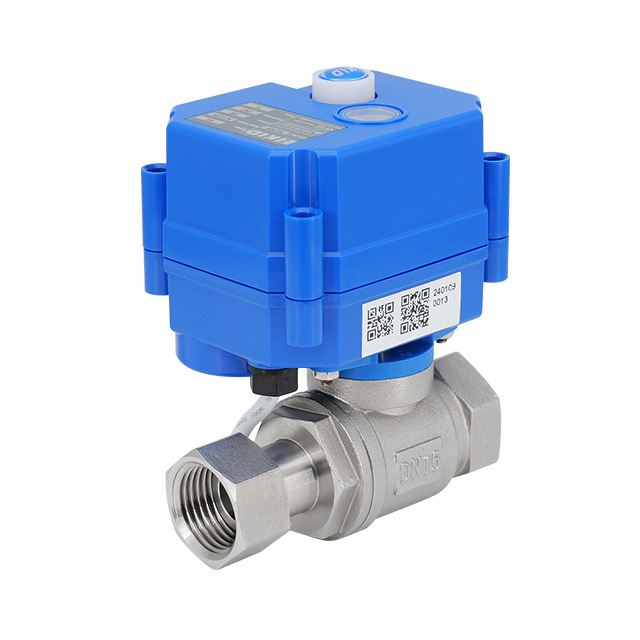
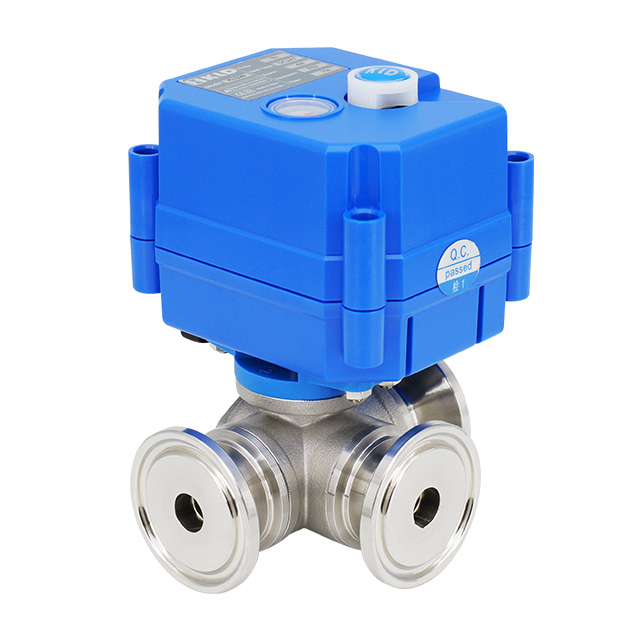
An electric butterfly valve is a butterfly valve equipped with an electric actuator. This actuator allows for precise control over the valve's opening and closing, making it ideal for gas systems that require automated or remote control. Electric actuators enable better integration with control systems, providing a more efficient and reliable solution for gas flow regulation.
Electric butterfly valves offer several benefits for gas systems, including improved automation, enhanced precision, and remote operation. They allow operators to monitor and control gas flow from a distance, which is particularly useful in industrial settings where constant adjustments are needed. The electric actuator ensures more accurate flow regulation, which is essential for systems where maintaining a consistent gas flow is critical.
Electric butterfly valves are widely used in industrial plants, gas transportation systems, and large-scale residential gas distribution networks. They are ideal for applications where quick response times and high precision are required, such as in natural gas systems and chemical processing facilities.
Advantage | Description | Impact on Gas Systems |
Enhanced Automation | Electric actuators allow for remote operation. | Reduces manual intervention and enhances efficiency. |
Precise Flow Control | Fine-tuned adjustment capabilities. | Ideal for systems requiring accurate flow regulation. |
Remote Monitoring | Integration with SCADA systems for real-time feedback. | Improves operational safety and responsiveness. |
Energy Efficiency | Lower energy consumption compared to other actuators. | Reduces overall operational costs. |
In residential and commercial gas systems, wafer-type butterfly valves are often used to control the flow of natural gas to homes and businesses. These valves are easy to install, cost-effective, and provide a tight seal, ensuring that gas is safely distributed. In some cases, they can also be used to isolate sections of a gas line for maintenance or repairs without interrupting the entire system.
In industrial gas systems, such as those found in manufacturing plants or power stations, lug-type and eccentric butterfly valves are more commonly used. These valves can withstand higher pressures and are designed to be durable and easy to maintain. The ability to replace parts without shutting down the entire system is a significant advantage in industries where continuous operation is critical.
Butterfly valves are also used in more specialized gas applications, such as in liquefied natural gas (LNG) facilities. These facilities require valves that can withstand extreme temperatures and pressures. High-performance butterfly valves with metal seals and specialized materials are used to regulate the flow of LNG and prevent leaks in these challenging environments.
When selecting a butterfly valve for a gas system, it is essential to consider factors such as the type of gas, system pressure, and temperature. The valve should be chosen based on the specific requirements of the application to ensure reliable and safe operation. It is also important to evaluate the size of the pipe and the flow rate, as these factors influence the type of valve that will work best.
Material selection plays a vital role in the longevity and performance of butterfly valves in gas systems. For natural gas, materials like cast iron or aluminum may be sufficient, but for more aggressive gases, stainless steel or PTFE-lined valves are recommended. The material choice will affect the valve's durability and resistance to corrosion, ensuring a longer service life.
The actuator type chosen for the butterfly valve will depend on the level of automation required. Manual actuators are suitable for simple systems with less frequent adjustments, while pneumatic actuators are ideal for fast shut-offs. For more precise control, electric butterfly valves are the best choice, offering remote operation and integration into automated systems.
Butterfly valves are a reliable and cost-effective choice for gas systems, offering quick operation, low maintenance, and a compact design. While they are ideal for low to medium-pressure systems, selecting the right type, material, and actuator is crucial. Electric butterfly valves enhance control and precision, making them perfect for modern gas systems. With proper maintenance, butterfly valves ensure safe and efficient gas transportation. KLD provides high-quality butterfly valves that meet these needs and ensure reliable system performance.
A: Yes, butterfly valves are commonly used in gas systems, especially for low to medium-pressure applications. Their compact design and quick operation make them ideal for controlling gas flow.
A: An electric butterfly valve uses an electric actuator for precise flow control. It offers enhanced automation and is ideal for remote operation in gas systems, providing efficient and reliable performance.
A: Electric butterfly valves offer greater control, precision, and the ability to integrate with automated systems, making them perfect for modern gas pipelines requiring remote operation.
A: Butterfly valves are suitable for low to medium-pressure gas systems. For high-pressure applications, ensure you choose a valve with a higher pressure rating or consider other valve types like ball valves.
A: Regularly inspect seals for wear, lubricate moving parts, and ensure the valve is correctly aligned. For electric butterfly valves, also check actuator functionality to ensure smooth operation.