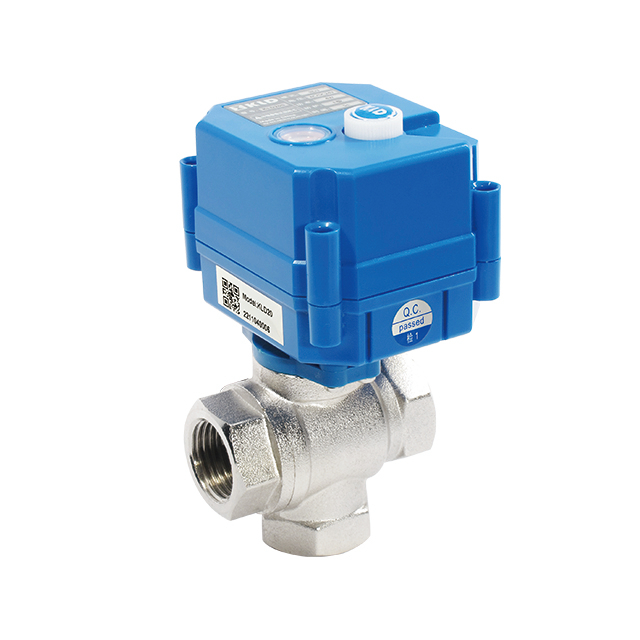
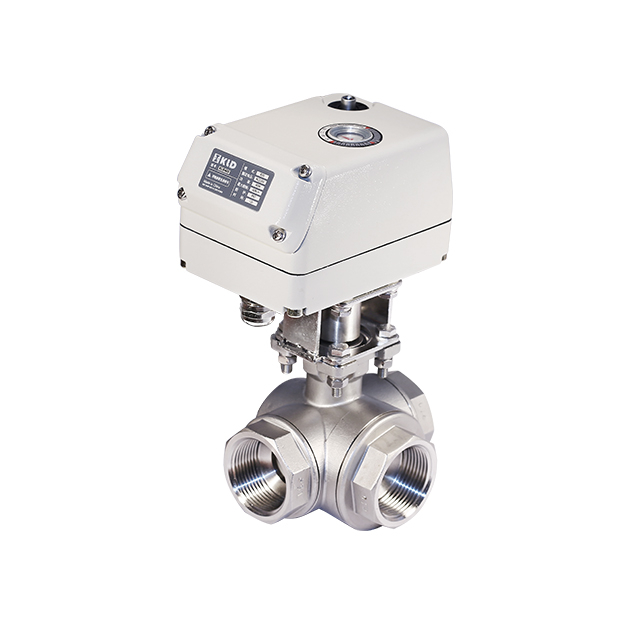
Views: 0 Author: Site Editor Publish Time: 2026-04-21 Origin: Site


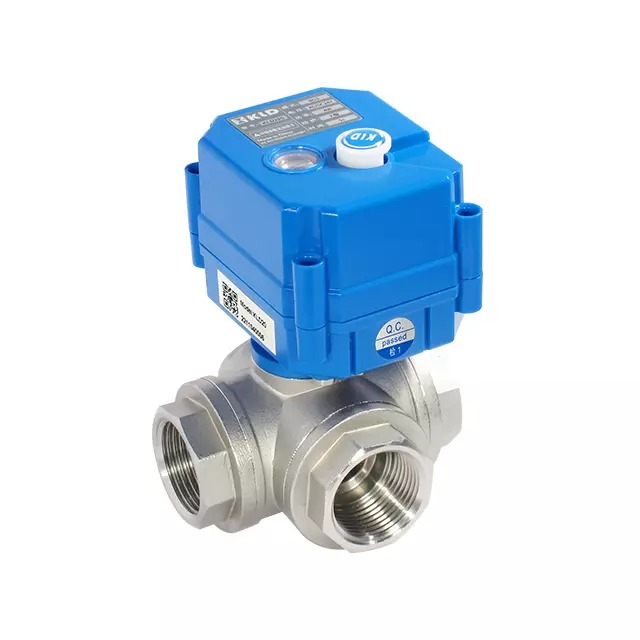
In this article, you will learn how 3 way ball valves work and what types are available. You will also understand how to choose the right design based on real application needs.
3 way ball valves are built to control fluid direction using a compact internal structure. They use three ports instead of two. This allows them to redirect, mix, or isolate flow paths in a single unit. In many systems, this reduces the need for multiple valves and simplifies piping design.
At the center of 3-way ball valves is a rotating ball with internal passages. When the actuator turns the ball, the internal hole aligns with different ports. This movement changes how fluid flows through the valve. Standard operation adopts a 90° quarter-turn rotation, which makes switching fast and easy to control.
Key working principles include:
Rotating ball mechanism
The internal ball contains an L-shaped or T-shaped bore. As it rotates, different ports connect or disconnect. This determines the flow path. The design allows smooth transitions without stopping the system.
Flow direction switching
The valve changes flow paths by opening one port while closing another. This switching happens instantly when the actuator rotates. It is widely used in automated systems where precise control is required.
Mixing and diverting functions
Mixing combines two inlet flows into one outlet. Diverting sends one inlet flow to different outlets. The function depends on the internal port design and valve position.
3 way ball valves are used in many industries because they handle multiple flow tasks with one device. This reduces system complexity and improves efficiency. They are especially useful when flow direction needs to change frequently or when mixing is required.
Common application areas include:
Industrial fluid systems
They control water, oil, or gas flow in production lines. They help switch between pipelines without stopping the system. This improves operational efficiency and reduces downtime.
HVAC and water systems
They regulate flow in heating and cooling systems. They help maintain stable temperatures by controlling how water moves between circuits. They are also used in filtration and distribution systems.
Chemical and automation processes
They manage corrosive fluids in controlled environments. Plastic versions are often used for acids or alkalis. Automated valves reduce manual handling and improve safety.
3 way ball valves are also used in compact equipment. They fit into limited spaces while still providing flexible flow control. KLD offers multiple material and size options, which helps match the valve to different system requirements without overdesigning the setup.
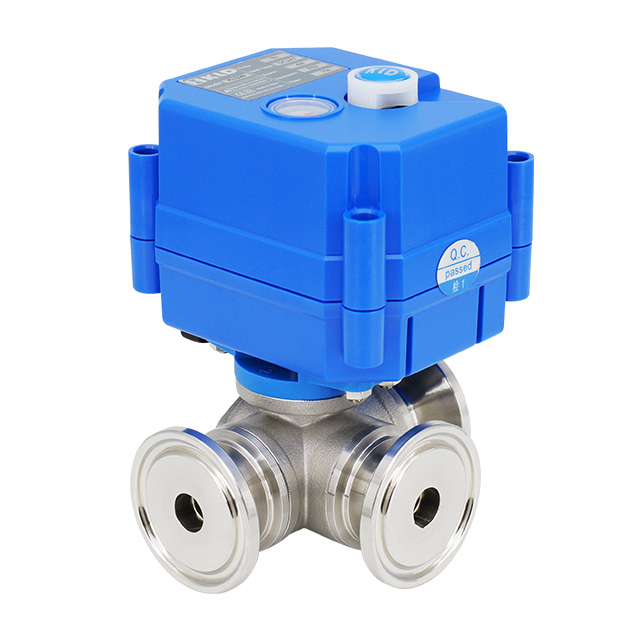
An L-port 3 way ball valve is designed for flow diversion and directional control. Inside the valve, the ball has an L-shaped bore. When it rotates, it connects one inlet to one of two outlets. This creates a switching effect rather than a mixing function. In most systems, this type is used when fluid paths must remain separated.
The working behavior is simple but precise. As the ball turns, one flow path opens while another closes. This ensures that fluid is directed to only one outlet at a time. Because of this design, it reduces the risk of cross-contamination between lines.
Key functional characteristics include:
Directional switching control
The valve selects one output path at a time. It does not allow two outputs simultaneously. This makes it suitable for controlled routing systems.
No mixing during operation
The internal structure prevents two flows from combining. This is important in systems that require strict media separation.
Compact flow management
One valve replaces multiple shut-off valves. This reduces installation space and simplifies piping layout.
Typical situations where L-port valves are used:
Switching between two pipelines in industrial systems
Isolating one process line while activating another
Applications where contamination must be avoided
A T-port 3 way ball valve is built for more flexible flow control. The internal ball has a T-shaped passage, allowing multiple ports to connect at the same time. This makes it suitable for mixing, splitting, or distributing flow within a system.
Unlike L-port valves, T-port designs allow fluid to flow through more than one path simultaneously. This gives more control options but also requires careful setup to avoid unintended flow overlap.
Key functional characteristics include:
Mixing capability
Two inlet streams can combine into one outlet. This is often used in temperature or chemical blending systems.
Flow distribution
One inlet can supply two outlets at the same time. This supports parallel system operation.
Multiple flow configurations
Depending on rotation angle, different flow paths can be activated. This increases system flexibility.
Common applications include:
Fluid mixing systems in chemical processes
Temperature control in HVAC systems
Multi-line distribution systems
However, the flexibility also introduces limitations:
Flow paths may overlap during rotation
Control precision depends on actuator positioning
Not ideal when strict separation is required
T-port 3 way ball valves are often used in systems where flexibility is more important than isolation.
Choosing between L-port and T-port 3 way ball valves depends on how flow needs to behave. Each design serves a different purpose. Understanding the differences helps avoid incorrect valve selection.
Here is a clear comparison:
| Feature | L-Port 3 Way Ball Valves | T-Port 3 Way Ball Valves |
|---|---|---|
| Flow Function | Diverting (switching flow paths) | Mixing and distributing |
| Number of Active Paths | One path at a time | Multiple paths possible |
| Mixing Capability | Not supported | Supported |
| Flow Isolation | Strong isolation | Limited isolation |
| Application Focus | Routing and switching | Blending and distribution |
From a selection perspective:
Choose L-port valves when flow must remain separated
Choose T-port valves when mixing or splitting is required
Consider system sensitivity to mixing during switching
Evaluate whether flexibility or control precision matters more
In practical systems, both types are essential. The choice depends on the flow logic rather than just valve size or material. Proper selection improves system stability and reduces operational risks.
A vertical 3 way ball valve is designed to control flow in a more separated and stable way. Its internal structure positions the ports vertically, which changes how fluid moves during rotation. This design helps reduce unwanted interaction between media when switching flow paths. In systems where purity matters, this structure becomes very useful.
The internal ball rotates in a way that limits overlapping flow paths. During switching, fluid from one line is less likely to mix with another. This makes it suitable for applications where even small contamination can affect performance. Many automated systems prefer this design for better control accuracy.
Key structural characteristics include:
Vertical port alignment
Ports are arranged in a vertical layout. This reduces direct crossover between flow channels. It helps maintain cleaner separation during operation.
Reduced mixing during switching
The internal flow path changes more gradually. This minimizes turbulence and mixing. It improves consistency in sensitive processes.
Stable control in automation systems
When combined with electric actuators, the valve maintains precise positioning. KLD vertical 3 way ball valves are often used in systems requiring repeatable flow control.
Typical applications include:
Chemical dosing systems where contamination must be avoided
Water treatment systems requiring controlled flow direction
Precision fluid control in automated equipment
A horizontal 3 way ball valve focuses on flow capacity and installation flexibility. Its ports are arranged horizontally, allowing smoother flow paths and less resistance. This design supports higher flow rates, which makes it suitable for general industrial applications.
The horizontal layout allows fluid to pass through the valve more directly. This reduces pressure loss and improves efficiency. However, during switching, there may be slight mixing between flow paths. In many systems, this trade-off is acceptable due to the improved flow performance.
Key structural characteristics include:
Higher flow capacity
The internal path is less restrictive. This allows larger volumes of fluid to pass through. It is ideal for systems where flow rate is critical.
Flexible installation options
The horizontal design fits standard piping layouts more easily. It simplifies integration into existing systems.
Wide size range availability
Horizontal valves are often available in more size options. This makes them suitable for both small and large systems.
Common use cases include:
HVAC systems where flow needs to move efficiently
Industrial pipelines handling water, oil, or gas
General automation systems where slight mixing is acceptable
The structure of 3 way ball valves directly affects how they perform in real systems. Design choices influence flow efficiency, pressure behavior, and long-term reliability. Even small structural differences can lead to noticeable changes in system performance.
Several performance factors are influenced by valve design:
Flow efficiency
A smoother internal path allows fluid to move easily. Horizontal designs often provide better efficiency. Vertical designs prioritize control over speed.
Pressure drop considerations
When fluid passes through the valve, resistance can reduce pressure. Complex flow paths increase pressure drop. Choosing the right design helps maintain stable system pressure.
Risk of internal leakage or mixing
Poor alignment or incorrect valve type can cause leakage. Mixing may occur if flow paths overlap during switching. Proper design selection reduces these risks.
Additional performance insights:
Valves used in high-flow systems should prioritize low resistance
Valves used in sensitive systems should prioritize isolation
Actuator precision also affects how accurately flow paths switch
In advanced systems, manufacturers like KLD optimize internal structure and actuator control together. This improves both efficiency and reliability. It also ensures the valve performs consistently under different operating conditions.
Choosing the right 3 way ball valves starts with understanding how your system works. Different designs serve different purposes. If the selection is wrong, the system may not perform as expected. That is why it is important to evaluate key factors before making a decision.
Several important elements should be reviewed carefully:
Flow function (mixing or diverting)
Start by defining what the valve needs to do. Mixing combines two flows into one. Diverting sends one flow into different directions. L-port valves are better for switching. T-port valves are better for mixing or distributing. The function determines the valve type first.
System pressure and temperature
Every valve has limits. High pressure or temperature requires stronger materials like stainless steel. Lower pressure systems can use plastic valves. If the material does not match the working condition, it may lead to failure or leakage.
Automation requirements
Manual valves are simple but limited. Automated systems need motorized valves for precise control. Electric actuators allow remote operation and consistent switching. KLD motorized 3 way ball valves are often used in systems where stable control is required.
To make selection easier, here is a quick reference:
| Selection Factor | What to Check | Recommended Option |
|---|---|---|
| Flow Function | Mixing or diverting | T-port for mixing, L-port for diverting |
| Pressure Level | Low, medium, or high | Plastic for low, metal for high |
| Temperature Range | Operating temperature | CPVC/PP for moderate, steel for high |
| Control Method | Manual or automated | Electric actuator for automation |
In practice, these factors work together. A correct match improves system stability and reduces maintenance over time.
Many selection problems come from misunderstanding how 3 way ball valves work. Small mistakes can lead to serious issues. These may include flow failure, leakage, or inefficient operation. Avoiding these mistakes saves time and cost later.
Common mistakes include:
Choosing the wrong port type
Selecting a T-port when separation is required can cause unwanted mixing. Choosing an L-port when mixing is needed limits functionality. The wrong choice affects the entire system.
Ignoring flow direction during operation
Flow paths change when the valve rotates. If the system design does not match the valve logic, flow may go to the wrong direction. This can disrupt the process.
Mismatch between material and application
Using plastic valves in high-temperature systems may cause deformation. Using metal valves in corrosive environments may lead to damage. Material must match the media and conditions.
Additional risks to watch:
Incorrect valve size leading to flow restriction
Lack of actuator control causing unstable switching
Poor installation alignment affecting performance
These issues often appear during operation, not during installation. That is why proper selection is critical at the beginning.
There is no single best type of 3 way ball valves. The correct choice depends on how the system works. A structured approach helps match the valve to real conditions.
A quick decision guide:
Choose L-port valves when flow needs to switch between lines
Choose T-port valves when mixing or splitting is required
Choose vertical design when flow separation is critical
Choose horizontal design when higher flow is needed
Choose plastic valves for corrosive media
Choose stainless steel valves for high pressure or temperature
To match valve type with application scenarios:
| Application Scenario | Recommended Valve Type | Reason |
|---|---|---|
| Pipeline switching | L-port ball valve | Clear directional control |
| Fluid mixing system | T-port ball valve | Supports combined flow |
| Chemical handling | Plastic 3 way ball valve | Corrosion resistance |
| High-pressure systems | Stainless steel 3 way ball valve | Strength and durability |
| Automated production line | Motorized 3 way ball valve | Precise and repeatable control |
In many systems, a well-matched valve improves efficiency and reduces operational risk. KLD offers a wide range of 3 way ball valves, which helps align valve selection with real application needs.
3 way ball valves include L-port and T-port designs for different flow needs. Structure, material, and application all affect performance and reliability. Choosing the right type improves system efficiency and control. KLD provides motorized 3 way ball valves with stable operation, multiple materials, and flexible configurations, helping users achieve precise flow control and long-term value.
A: 3 way ball valves control flow direction, mixing, or switching in systems.
A: 3 way ball valves use a rotating ball to change flow paths.
A: L-port switches flow, while T-port allows mixing or splitting.
A: Motorized 3 way ball valves offer precise and automated control.
A: Select based on flow function, pressure, and application needs.