Views: 0 Author: Site Editor Publish Time: 2026-05-14 Origin: Site


Can one small valve make a whole system work better? In many water, HVAC, irrigation, and industrial systems, the answer is yes. Electric Ball Valves help control flow automatically, reduce manual work, and improve daily reliability.Choosing the right valve in 2026 means looking beyond price. Material, voltage, size, sealing, pressure rating, and system compatibility all matter.
In this article, you will learn how Electric Ball Valves work, what features to compare, and how to choose options for efficient flow control.
Electric Ball Valves are valves that use an electric actuator to open or close fluid flow automatically. Inside the valve, a round ball rotates 90 degrees to let water, air, or other compatible media pass through. When the ball turns back, the flow stops quickly and tightly.
Compared with manual valves, they save labor and reduce delays. Compared with pneumatic valves, they do not need an air compressor. This makes them a practical choice for many automated systems.
| Valve Type | Operation Method | Best Use |
|---|---|---|
| Manual Ball Valve | Hand operation | Simple pipelines |
| Electric Ball Valve | Electric actuator control | Automated flow control |
| Pneumatic Ball Valve | Compressed air control | Fast industrial systems |
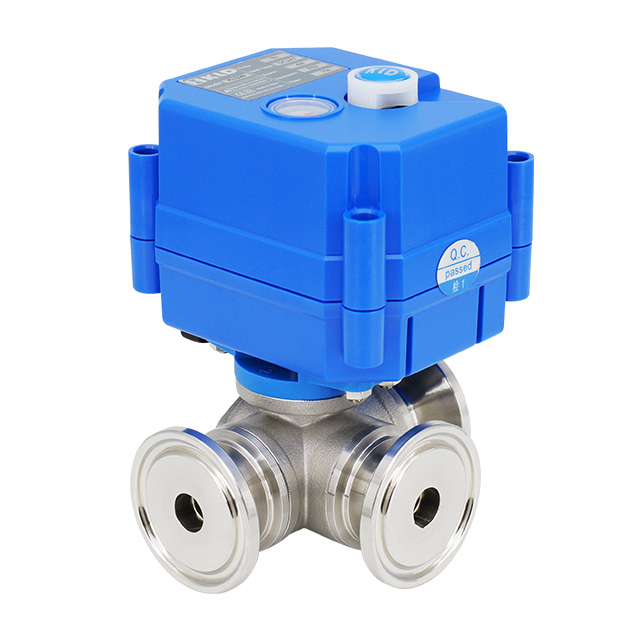
KLD Electric Ball Valves are designed for users who need reliable shutoff, compact structure, and easy system integration. They are useful when valves are installed in hard-to-reach places or need frequent operation.
An electric actuator receives a signal from a controller, timer, sensor, or switch. It then turns the valve stem and rotates the ball inside the valve body. This simple action gives users stable on/off control and helps improve system efficiency.
Key advantages include:
Fast response: The valve opens or closes without manual operation, helping systems react quickly.
Reliable sealing: A tight shutoff helps reduce leakage and wasted media.
Automation ready: It can work with control panels, smart systems, and monitoring devices.
Lower labor cost: Operators do not need to adjust valves by hand every time.
For buyers in 2026, this matters because flow control is no longer only about moving fluid. It is about safer operation, better energy use, and more dependable daily performance.
Electric Ball Valves are widely used in water, HVAC, irrigation, and industrial automation systems. They are especially helpful where flow needs to be controlled regularly or remotely.
| Application | How It Helps |
|---|---|
| HVAC Systems | Controls hot or chilled water for better temperature management |
| Water Treatment | Supports automatic flow control in tanks, filters, and pipelines |
| Irrigation | Opens and closes watering zones by timer or controller |
| Industrial Equipment | Controls compatible liquids or gases in automated processes |
| Smart Water Systems | Helps with remote shutoff and leak protection |
KLD motorized ball valves can be used in many of these applications. Different body materials, sizes, and voltage options allow users to match the valve to their actual working conditions.
More projects are moving toward automation, and Electric Ball Valves fit this trend well. They help users reduce manual work, improve control accuracy, and protect equipment from unnecessary running.
Buyers often choose them for three main reasons:
Convenience: They can be controlled by switches, sensors, or automatic systems.
Efficiency: They help reduce water waste, energy loss, and system downtime.
Safety: They allow remote operation in high, hidden, or difficult locations.
For many customers, the best electric ball valve is not just the strongest one. It is the one that matches the media, pressure, voltage, installation space, and control method. This is where a practical supplier like KLD can help users choose a valve that works smoothly in real applications.
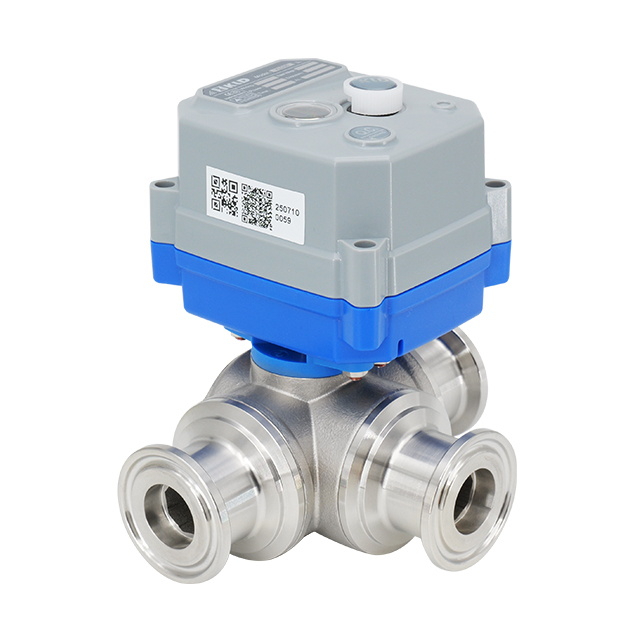
When choosing Electric Ball Valves, the valve body material should come first. It affects corrosion resistance, pressure strength, and service life. A valve for clean water may not work well for chemicals, hot fluids, or outdoor irrigation. So, buyers should match the material to the actual media before checking price.
| Material | Common Use | Main Advantage | Buyer Note |
|---|---|---|---|
| Brass | Water, HVAC, general plumbing | Strong, practical, cost-effective | Best for clean and compatible media |
| Stainless Steel | Industrial fluids, higher pressure, corrosive media | Better corrosion resistance | Good for demanding environments |
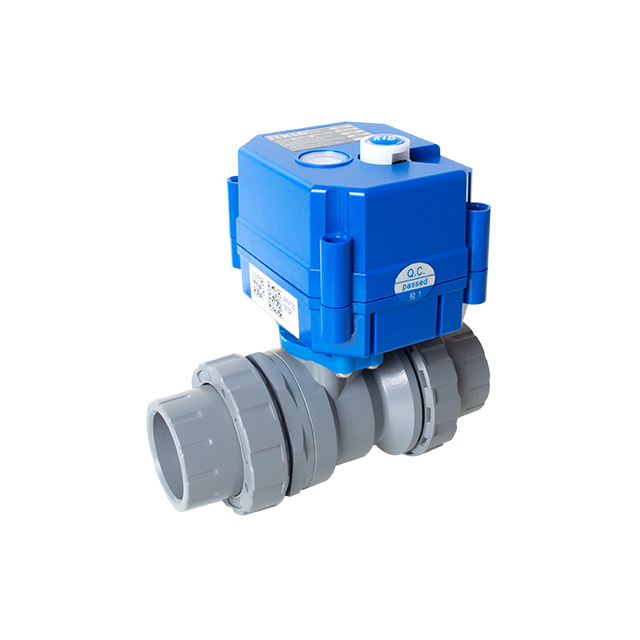
| PVC | Irrigation, water treatment, light chemical use | Lightweight and corrosion resistant | Not ideal for high temperature |
| Engineering Plastic | Compact systems, smart devices, light-duty flow control | Flexible design and lower weight | Check pressure and temperature limits |
KLD offers electric ball valve options for different working conditions, so users can select based on media, pressure, and installation space. This helps avoid common problems like corrosion, leakage, or early valve failure. For long-term use, the right material often matters more than the lowest purchase cost.
The actuator is the part that makes Electric Ball Valves automatic. It receives power and turns the valve open or closed. Common voltage choices include DC power for low-voltage control systems and AC power for building or industrial equipment. The best option depends on the control panel, wiring distance, and safety requirements.
Buyers should also check the control method before ordering:
On/off control: This is the most common choice. It fully opens or fully closes the valve. It works well for water shutoff, irrigation zones, HVAC pipelines, and simple automation.
Modulating control: This allows more accurate flow adjustment. It is useful when the system needs partial opening, not just open or closed. It may require a matched control signal.
Smart control: Some systems need feedback or remote status checking. This helps users know if the valve is open, closed, or not responding. It is useful in smart buildings and automated equipment.
Response time also matters. A very slow actuator may delay system control, while an unstable one may reduce reliability. KLD motorized ball valves are designed for smooth automatic operation, making them suitable for users who want simple integration and steady performance.
Correct sizing is important for all Electric Ball Valves. If the valve is too small, it can restrict flow and increase pressure loss. If it is too large, control may become less accurate. It may also increase cost and take more installation space.
Before selecting a model, buyers should check these points:
Valve size and connection type: Match the pipe size and thread or connection standard. This reduces installation work and prevents sealing problems. It also helps avoid extra adapters.
Flow rate requirement: The valve should support the required flow without creating unnecessary resistance. This is important in HVAC, irrigation, and water treatment systems. Stable flow helps the whole system run better.
Pressure rating: The valve must handle normal and peak pressure. For demanding applications, high-pressure electric ball valves may be needed. Never choose a valve only by appearance.
Installation space: Some control cabinets and pipelines are compact. A smaller actuator may be easier to install. KLD compact designs can help when space is limited.
A practical selection process is simple: check pipe size, media, pressure, voltage, and control method together. These factors work as one system. If one is wrong, the valve may not perform as expected.
Good sealing is one of the biggest reasons buyers choose Electric Ball Valves. A tight shutoff helps prevent leaks, water loss, pressure drop, and equipment damage. In automated systems, this is even more important because the valve may operate without a person nearby.
Seal material and structure affect long-term reliability. The valve should handle the media, temperature, and working pressure. It should also survive repeated opening and closing. For outdoor or humid locations, actuator protection is important too.
| Feature | Why It Matters | What Buyers Should Check |
|---|---|---|
| Seal Material | Controls leakage and wear resistance | Media compatibility and temperature range |
| Tight Shutoff | Prevents unwanted flow after closing | Leakage rating and valve structure |
| Duty Cycle | Shows how often the valve can operate | Frequency of daily operation |
| Protection Level | Helps protect the actuator | Moisture, dust, and installation environment |
Safety is not only about pressure rating. It also includes wiring quality, actuator stability, and correct installation. In harsh or continuous-use environments, buyers should choose valves designed for steady operation. KLD electric ball valve solutions can support dependable flow control where durability, sealing, and automation all matter.
When buyers compare Electric Ball Valves in 2026, energy use is a smart place to start. A well-designed valve does not need constant power to hold its position. It uses power mainly when opening or closing. This helps reduce operating cost, especially in systems with many valves.
Efficient electric ball valves also reduce hidden costs. They can limit water waste, prevent unnecessary pump running, and reduce manual work. In HVAC, irrigation, and water treatment systems, those savings can grow over time. So, the lowest price is not always the best deal.
| Cost Factor | How Electric Ball Valves Help | Buyer Benefit |
|---|---|---|
| Power Use | Low-power actuators use energy mainly during movement | Lower long-term electricity cost |
| Labor Cost | Remote or automatic control reduces manual operation | Less daily maintenance work |
| Leakage Loss | Tight shutoff helps prevent unwanted flow | Lower water, air, or fluid waste |
| Downtime | Reliable operation reduces unexpected failure | More stable system performance |
KLD Electric Ball Valves are built for practical flow control needs. They support automatic operation in compact systems, building equipment, and industrial lines. For many buyers, the right choice is not the most expensive model. It is the valve that fits the job and keeps running smoothly.
Specifications show whether an electric ball valve can handle real working conditions. Buyers should check them before comparing price. A valve may look suitable at first, but the wrong voltage, size, or pressure rating can cause problems later.
Important points include:
Valve size and connection type: The valve should match the pipe and fitting standard. This makes installation easier and reduces leak risk. It also helps avoid extra adapters.
Pressure and temperature range: These ratings must match the actual system. If pressure spikes are common, choose a safer margin. Hot or cold media also need suitable seals.
Opening and closing time: Faster response is useful in safety or process control. Slower movement may be fine for irrigation or general water systems. The key is matching speed to the application.
Control signal and feedback: Some systems only need simple on/off control. Others need position feedback or smart monitoring. Check compatibility before purchase.
Body, seal, and actuator protection: These affect corrosion resistance and service life. Outdoor, humid, or dusty areas need better protection. KLD can support users in selecting practical configurations.
A good electric ball valve should do more than open and close. It should match the media, duty cycle, control method, and environment. When these details are correct, the whole system becomes easier to manage.
Compatibility is one of the most common concerns when choosing Electric Ball Valves. Many buyers are not building a new system from zero. They are replacing old valves, upgrading manual pipelines, or adding automation to existing equipment. In these cases, small mismatches can create extra cost.
| Compatibility Point | What to Check | Why It Matters |
|---|---|---|
| Electrical Supply | AC/DC voltage and wiring method | Prevents actuator damage or failure |
| Control System | On/off, modulating, or feedback signal | Ensures smooth communication |
| Pipeline Size | Valve size, thread, and connection type | Avoids leaks and installation delays |
| Media Type | Water, air, gas, or compatible fluid | Protects valve body and seals |
| Installation Space | Actuator height and service access | Makes maintenance easier |
Retrofitting projects need extra care. The old pipeline may have limited space. The control panel may also use a fixed voltage or signal type. If these details are ignored, the valve may need extra parts or rewiring.
For this reason, buyers should review drawings, media conditions, and control requirements before ordering. KLD Electric Ball Valves offer different sizes, materials, and actuator options, making them easier to match with real systems. This helps users reduce installation trouble and improve flow control reliability.
Good installation helps Electric Ball Valves work smoothly from day one. Before mounting the valve, check the pipe size, connection type, media direction, and working pressure. These small checks can prevent leaks, poor flow, and actuator stress. They also make future maintenance much easier.
| Installation Check | What to Confirm | Why It Matters |
|---|---|---|
| Valve Size | Match the pipe diameter and thread type | Prevents flow restriction and fitting issues |
| Flow Direction | Follow the system design or valve marking | Supports stable flow and sealing performance |
| Connection Type | Check threads, flanges, or fittings | Reduces leakage and installation delays |
| Power Supply | Match voltage and wiring requirements | Protects the actuator from damage |
| Service Space | Leave room around the actuator | Makes inspection and wiring easier |
Use proper fittings and sealing materials during installation. Do not overtighten the valve body, because it may damage threads or seals. The actuator should stay dry and easy to access, especially in outdoor or humid locations. If the valve is part of an automated system, wiring should follow the supplier’s instructions.
A simple installation checklist can help:
Inspect before installation: Check the valve body, actuator, and connection ends before use. Make sure there is no visible damage. Confirm the model matches the application.
Clean the pipeline: Dirt, welding slag, or sealing tape pieces can damage the ball or seat. Flush the pipe before installing the valve. This helps the valve seal better.
Avoid actuator overload: Do not force the actuator by hand unless the design allows it. Wrong operation may damage internal gears. Use the correct control signal and voltage.
Test after installation: Open and close the valve several times. Watch for leaks, slow movement, or strange noise. Fix small issues before the system runs fully.
KLD Electric Ball Valves are designed for practical installation in water control, HVAC, irrigation, and automation systems. Their compact structure helps when space is limited. Still, correct sizing, wiring, and sealing remain important for reliable performance.
Maintenance for Electric Ball Valves is usually simple, but it should not be ignored. Regular checks help users find small problems before they become costly failures. This is especially important for systems that run every day or operate in wet, dusty, or high-temperature areas.
Start by checking the actuator housing, wiring, fittings, and valve body. Look for moisture, loose wires, corrosion, or leakage marks. If the valve does not operate often, cycle it from time to time. This helps prevent sticking and keeps the internal ball moving smoothly.
Helpful maintenance habits include:
Keep the actuator clean and protected from direct water spray.
Check electrical connections after vibration or long operation.
Watch for slower opening, unusual sound, or incomplete closing.
Inspect seals and fittings during regular system service.
Replace damaged parts early to avoid system downtime.
Electric Ball Valves help automate flow control in HVAC, water treatment, irrigation, and industrial systems. In 2026, buyers should compare material, voltage, size, pressure rating, sealing, and system compatibility. KLD provides practical Electric Ball Valves with reliable shutoff, compact design, and flexible options, helping users reduce labor, improve safety, and support efficient daily operation.
A: Electric Ball Valves control water, air, gas, or compatible fluids automatically in HVAC, irrigation, and industrial systems.
A: Motorized ball valves use an actuator to rotate the ball, opening or closing flow.
A: Electric Ball Valves save labor, support remote control, and improve flow control consistency.
A: Electric ball valve price depends on size, material, voltage, pressure rating, and actuator type.
A: Check power supply, wiring, actuator load, and pipeline debris before replacing parts.