

Views: 0 Author: Site Editor Publish Time: 2026-02-10 Origin: Site


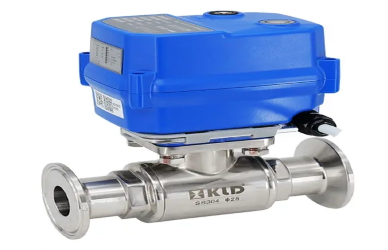
Electric actuators are essential components in modern automation systems, converting electrical energy into mechanical motion to control various processes with high precision. They are widely used across industries for tasks requiring accurate movement, such as in robotics, valve control, and material handling. The core components of an electric actuator include the electric motor, which drives the motion, the transmission mechanism (such as screws or gears) that converts rotational motion into linear or rotary motion, and the feedback control system, which ensures precise and consistent performance. Electric actuators offer numerous advantages, including energy efficiency, reliability, and minimal maintenance, making them a preferred choice for applications in industrial automation, HVAC systems, water treatment, and smart home devices. Their versatility and precision make them critical to advancing automation technology across various sectors.
Electric actuators convert electrical energy into mechanical motion, which can be either linear or rotary, to perform tasks such as controlling valves, positioning systems, or moving components. The process involves several key components that work together to ensure precise movement and control.
The electric motor is the core component of an electric actuator. It converts electrical energy into rotational motion through electromagnetic forces. When current flows through the motor’s coils, a magnetic field is created, causing the rotor to spin. The rotation of the motor's shaft generates mechanical energy, which is then transferred to the actuator’s transmission mechanism.
The transmission mechanism is responsible for converting the motor's rotational motion into the desired type of movement. In linear actuators, this is typically achieved using a lead screw or ball screw, which transforms the rotary motion into a straight-line motion. In rotary actuators, the motor’s rotational motion directly drives a shaft or gears, producing rotary motion. The transmission system ensures that the actuator’s movement aligns with the application’s requirements, whether it involves precise adjustments or full-range movements.
The feedback system ensures the actuator performs with precision and accuracy. It typically includes sensors, such as encoders or potentiometers, which monitor the actuator’s position, speed, and force. This data is sent back to the control system, which adjusts the actuator's operation to maintain the desired performance. Feedback control enables the actuator to correct its movement if necessary, ensuring the system operates within set parameters.
Electric actuators are designed to provide either linear or rotary motion, depending on the application:
Linear motion: Used in systems requiring movement along a straight line, such as adjusting valves or positioning robotic arms.
Rotary motion: Used in applications where rotation is needed, such as controlling valves, rotating gears, or adjusting dampers.
An electric actuator consists of several key components that work together to convert electrical energy into mechanical motion. Below is an illustration of these components:
Electric Motor: Converts electrical energy into rotational motion.
Transmission Mechanism: Transfers the motor's motion into linear or rotary movement.
Actuator Output: The final motion produced (linear or rotary) for performing the task.
Electric Motor: The motor is the heart of the actuator. It receives electrical energy and converts it into rotational motion, which serves as the driving force.
Transmission Mechanism: The motor's rotational motion is transferred to a lead screw, ball screw, or gearbox.
In linear actuators, the lead or ball screw converts the rotational motion into a straight-line (linear) movement.
In rotary actuators, the gearbox or shaft directly transfers the motor’s rotation into rotational output.
Actuator Output: The actuator's output is the final motion required for the task. It can either be linear (such as moving a piston or adjusting a valve) or rotary (such as rotating a valve or adjusting machinery).
Power Supply: Supplies the electrical energy to the electric motor. This could be AC (alternating current) or DC (direct current), depending on the actuator's design.
Control System: The control system regulates the motor's function, ensuring that the correct movement is performed based on the desired task. It sends control signals to the motor, determining the direction, speed, and position.
Feedback System: Sensors, such as encoders or potentiometers, are used in the feedback system. They monitor the position and speed of the actuator, sending this information back to the control system. The feedback ensures precise adjustments are made to maintain the required motion.
Electric actuators are vital in industrial automation, controlling production lines, robotics, and machinery. They enable precise movements in production lines, ensuring efficiency and accuracy. In robotics, they are used for tasks like assembly and material handling, while in machinery, they adjust settings and control valves, improving productivity and reducing human intervention.
In HVAC (Heating, Ventilation, and Air Conditioning) systems, electric actuators control dampers, valves, and fans to regulate airflow, temperature, and humidity. They improve energy efficiency by adjusting air distribution and refrigerant flow and are essential for zoning systems, enabling different temperature settings in various areas.
Electric actuators are crucial in water treatment for regulating water flow and controlling valves in filtration processes. They ensure flow regulation and optimize chemical dosing by automatically adjusting the valves, helping maintain water quality and operational efficiency in treatment plants.
In smart homes, electric actuators are used in applications like motorized blinds, smart locks, and adjustable furniture. They provide remote control for convenience, security, and comfort, allowing users to automate tasks like adjusting blinds, locking doors, and changing furniture height.
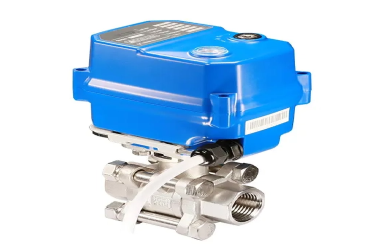
Efficiency: Electric actuators are highly efficient in converting electrical energy into mechanical motion. They use less power compared to pneumatic or hydraulic actuators, resulting in lower operational costs and reduced energy consumption.
Precision: Electric actuators offer high precision in controlling motion. They can be finely tuned for exact positioning, speed, and force, making them ideal for applications that require accurate movement, such as robotics, valve control, and manufacturing.
Low Maintenance: Unlike pneumatic actuators, which require compressors and additional components, electric actuators have fewer parts, reducing wear and tear. They also eliminate the need for air supply systems, making them easier to maintain and more reliable over time. This leads to lower maintenance costs and less downtime in industrial systems.
Load Requirements: Choosing an actuator that can handle the required load without overloading can be challenging. It’s essential to select the right size and torque to avoid damage and ensure proper performance.
Operating Environment: Electric actuators may face challenges when operating in extreme conditions such as high temperatures, humidity, or exposure to chemicals. Selecting an actuator with appropriate seals and materials is necessary for durability and reliable performance in such environments.
Compatibility with Control Systems: Integrating electric actuators into existing control systems can be complex, especially when upgrading legacy systems or connecting to advanced automation networks. Ensuring compatibility and smooth integration with other system components is a critical consideration.
Sizing and Stroke Length: Ensuring the actuator provides the required stroke length (in linear actuators) or rotational range (in rotary actuators) for the application is essential. Incorrect sizing can result in poor performance or system failure.
Linear actuators provide straight-line motion, while rotary actuators generate rotational movement. The choice depends on the application’s motion requirements.
A feedback system ensures precise control by monitoring the actuator's position, speed, and force, allowing the system to adjust for accurate operation.
Yes, electric actuators can be designed with explosion-proof enclosures and materials to ensure safe operation in hazardous environments, such as oil refineries or chemical plants.
The control system sends signals to the actuator, which converts them into mechanical motion. The actuator's feedback system then reports the position and status back to the controller.
Electric actuators are fundamental components in modern automation systems, providing exceptional precision, efficiency, and reliability across a variety of industries, including manufacturing, HVAC, water treatment, and smart home applications. Their ability to deliver both linear and rotary motion makes them incredibly versatile, adapting to a wide range of tasks, from controlling valves and adjusting robotic arms to optimizing HVAC systems and enhancing home automation. As industries increasingly adopt automation to improve productivity and reduce costs, the demand for electric actuators is poised to rise. With ongoing advancements in technology, such as integration with the Internet of Things (IoT) and artificial intelligence (AI), electric actuators are set to become even smarter, more energy-efficient, and more seamlessly integrated into complex automation systems. This continued evolution will not only increase their efficiency but also solidify their role in shaping the future of automation across industries.


