Views: 0 Author: Site Editor Publish Time: 2024-11-04 Origin: Site


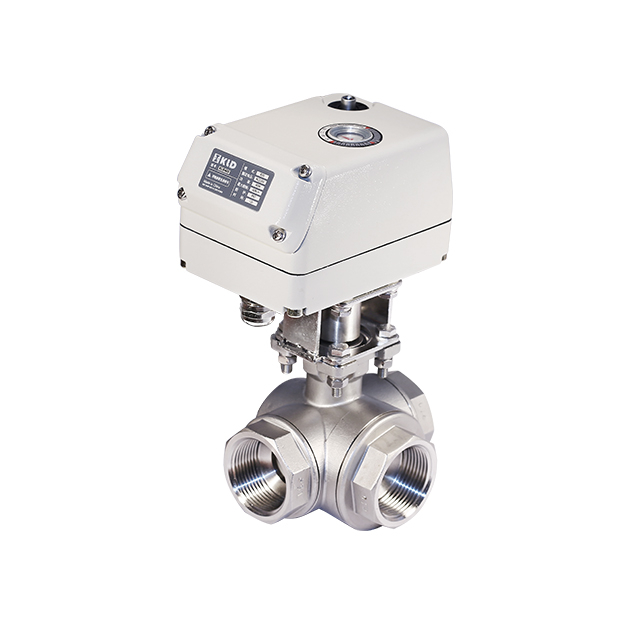
A motorized ball valve is a ball valve that uses a motor to drive it to open and close automatically. The motorized ball valve is a type of valve that is commonly used in industrial and commercial applications. It is designed to provide precise control over the flow of fluids and gases in a system. The valve consists of a ball with a hole through the center, which can be rotated to open or close the valve. The motorized ball valve is operated by an electric motor, which is connected to the valve via a gearbox. The motor rotates the ball, which in turn opens or closes the valve.
The motorized ball valve is available in a variety of sizes and materials, and it can be used in a wide range of applications. It is commonly used in heating, ventilation, and air conditioning (HVAC) systems, as well as in water and wastewater treatment plants. The valve is also used in many industrial processes, such as chemical processing and oil and gas production.
The motorized ball valve is known for its reliability and durability. It is designed to withstand high pressures and temperatures, and it requires minimal maintenance. The valve is also easy to install and can be integrated into existing systems with minimal disruption.
Overall, the motorized ball valve is a versatile and efficient solution for controlling the flow of fluids and gases in a wide range of applications. Its precise control, reliability, and ease of use make it a popular choice for many industries.
A motorized ball valve is a type of valve that uses a motor to open and close the valve automatically. The valve consists of a ball with a hole through the center, which can be rotated to open or close the valve. The motor is connected to the valve via a gearbox, which converts the rotational motion of the motor into the linear motion of the valve.
The motorized ball valve is operated by an electric motor, which is connected to the valve via a gearbox. The motor rotates the ball, which in turn opens or closes the valve. The motor can be powered by AC or DC power, and it can be controlled by a variety of methods, including a switch, a timer, or a remote control.
The motorized ball valve is available in a variety of sizes and materials, and it can be used in a wide range of applications.
There are several types of motorized ball valves, each with its own unique features and applications. Here are some of the most common types:
1. Electric ball valves:Thesevalvesare powered by electricity and are commonly used in residential and commercial applications. They are available in both AC and DC versions and can be controlled by a switch, a timer, or a remote control.
2. Motorized floating ball valves:These valve shave a ball that floats between two seats, and they are commonly used in water and wastewater treatment plants. They are known for their low cost and ease of installation, and they can be controlled by a switch, a timer, or a remote control.
3. Motorized trunnion-mounted ball valves:These valve shave a trunnion that supports the ball, and they are commonly used in oil and gas production. They are known for their high pressure and flow capacity, and they can be controlled by a switch, a timer, or a remote control.
Overall, the type of motorized ball valve you choose will depend on your specific needs and requirements. It is important to consider factors such as the type of fluid or gas being controlled, the pressure and flow capacity required, and the method of control.
Motorized ball valves are widely used in various industrial applications due to their precise control, reliability, and ease of use. Here are some of the most common applications:
1. HVAC systems:Motorized ball valves are commonly used in heating, ventilation, and air conditioning (HVAC) systems to control the flow of air and water. They are used to regulate the temperature and pressure in the system, and they can be controlled by a switch, a timer, or a remote control.
2. Water and wastewater treatment plants:Motorized ball valves are used in water and wastewater treatment plants to control the flow of water and chemicals. They are used to regulate the pressure and flow rate of the water, and they can be controlled by a switch, a timer, or a remote control.
3. Chemical processing:Motorized ball valves are used in chemical processing to control the flow of chemicals. They are used to regulate the pressure and flow rate of the chemicals, and they can be controlled by a switch, a timer, or a remote control.
4. Oil and gas production:Motorized ball valves are used in oil and gas production to control the flow of oil and gas. They are used to regulate the pressure and flow rate of the oil and gas, and they can be controlled by a switch, a timer, or a remote control.
5. Food and beverage processing:Motorized ball valves are used in food and beverage processing to control the flow of liquids. They are used to regulate the pressure and flow rate of the liquids, and they can be controlled by a switch, a timer, or a remote control.
Overall, motorized ball valves are a versatile and efficient solution for controlling the flow of fluids and gases in a wide range of industrial applications. Their precise control, reliability, and ease of use make them a popular choice for many industries.
Motorized ball valves offer several advantages over other types of valves. Here are some of the key advantages:
1. Precise control:Motorized ball valves provide precise control over the flow of fluids and gases. The valve can be opened or closed gradually, allowing for accurate adjustments to be made to the flow rate and pressure.
2. Reliability:Motorized ball valves are known for their reliability and durability. They are designed to withstand high pressures and temperatures, and they require minimal maintenance.
3. Ease of use:Motorized ball valves are easy to install and can be integrated into existing systems with minimal disruption. They can be controlled by a variety of methods, including a switch, a timer, or a remote control.
4. Versatility:Motorized ball valves are available in a variety of sizes and materials, and they can be used in a wide range of applications. They are commonly used in HVAC systems, water and wastewater treatment plants, chemical processing, oil and gas production, and food and beverage processing.
5. Energy efficiency:Motorized ball valves are energy efficient and can help to reduce energy costs. They can be used to regulate the flow of fluids and gases, which can help to reduce energy consumption.
Overall, motorized ball valves offer a reliable, efficient, and versatile solution for controlling the flow of fluids and gases in a wide range of applications. Their precise control, ease of use, and energy efficiency make them a popular choice for many industries.
A motorized ball valve is a type of valve that uses a motor to open and close the valve automatically. The valve consists of a ball with a hole through the center, which can be rotated to open or close the valve by actuator. The motor is connected to the valve via a gearbox, which converts the rotational motion of the motor into the linear motion of the valve.
The motorized ball valve is operated by an electric motor, which is connected to the valve via a gearbox. The motor rotates the ball, which in turn opens or closes the valve. The motor can be powered by AC or DC power, and it can be controlled by a variety of methods, including a switch, a timer, or a remote control.