Views: 0 Author: Site Editor Publish Time: 2024-10-20 Origin: Site


Motorized ball valves are essential components in modern plumbing, heating, and industrial systems. They provide precise control over the flow of liquids and gases, ensuring efficient operation and energy savings. However, proper installation and wiring are crucial for optimal performance and safety. This guide will walk you through the process of wiring a motorized ball valve, highlighting key considerations and best practices.
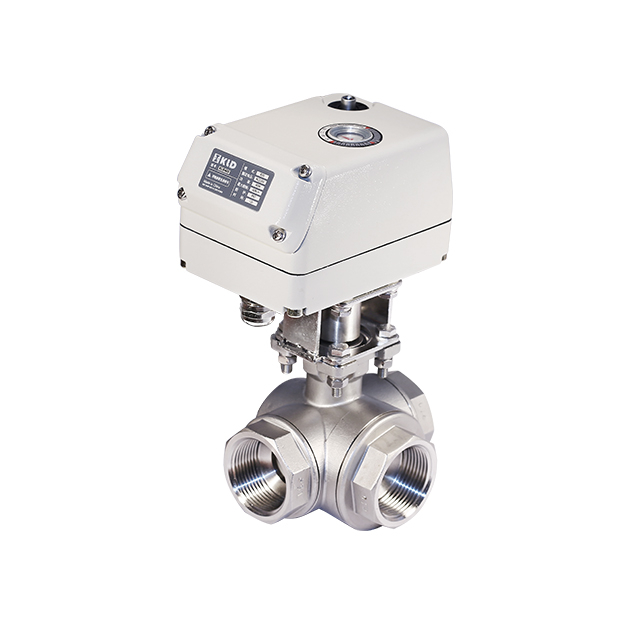
Motorized ball valves are devices that use an electric motor to open and close a ball valve, which is a type of quarter-turn valve with a spherical disc. These valves are designed to control the flow of fluids or gases in various applications, such as HVAC systems, water supply systems, and industrial processes. The valve consists of a ball with a hole in the middle, which allows the fluid to pass through when the ball is aligned with the pipe. When the ball is turned 90 degrees, the hole is perpendicular to the flow direction, and the valve is closed.
The motorized part of the valve is an actuator that rotates the ball to open or close the valve. The actuator can be powered by electricity, and it receives signals from a controller or a sensor to determine when to open or close the valve. The actuator can be a simple on/off type or a more sophisticated modulating type that can adjust the valve position gradually.
Motorized ball valves have several advantages over manual valves. They can be operated remotely or automatically, which is useful for hard-to-reach or hazardous locations. They can also provide precise flow control and monitoring, which is important for maintaining the efficiency and safety of the system. Motorized ball valves are available in various sizes, materials, and configurations to suit different applications and requirements.
A motorized ball valve consists of several key components that work together to control the flow of fluids or gases. These components include the valve body, the valve seat, the ball, the actuator, the motor, and the wiring connections.
The valve body is the main part of the valve that connects to the piping system. It is usually made of brass, stainless steel, or plastic and is designed to withstand the pressure and temperature of the fluid or gas being transported. The valve seat is a ring or disc that forms a seal with the ball when the valve is closed. It is typically made of a soft material such as rubber or Teflon to ensure a tight seal and prevent leakage.
The ball is the part of the valve that controls the flow. It is a spherical object with a hole through the center, which allows the fluid or gas to pass through when the ball is aligned with the pipe. The ball can be rotated 90 degrees by the actuator to open or close the valve.
The actuator is the component that opens and closes the valve by rotating the ball. It is usually a motorized device that can be powered by electricity, pneumatic, or hydraulic force. The actuator can be a simple on/off type or a more advanced modulating type that allows for gradual adjustment of the valve position.
The motor is the part of the actuator that provides the power to rotate the ball. It can be an AC or DC motor, depending on the type of actuator and the power supply available. The motor is usually connected to the actuator through a gear system to increase torque and reduce speed.
The wiring connections are the electrical links between the motor and the control system. They are used to transmit signals from the control system to the motor and vice versa. The wiring connections should be properly insulated and secured to prevent short circuits or interference.
Each component of a motorized ball valve plays a crucial role in its operation and performance. Proper selection, installation, and maintenance of these components are essential for ensuring the smooth and efficient operation of the valve and the overall system it is part of.
Before installing a motorized ball valve, it is essential to prepare adequately to ensure a smooth and successful process. This preparation involves selecting the appropriate valve for the specific application, gathering the necessary tools and materials, and ensuring safety precautions are in place. Here’s a detailed breakdown of each aspect:
Selecting the correct motorized ball valve is crucial for the system’s efficiency and longevity. Consider the following factors when choosing the valve:
Having the right tools and materials on hand can streamline the installation process. Here’s a list of what you’ll need:
Screwdrivers
Wire strippers
Electrical tape
Cable ties
Multimeter (for testing)
Safety equipment (gloves, goggles)
Safety should always be a top priority during installation. Follow these safety precautions to ensure a safe working environment:
Always turn off power to the system before beginning work.
Wear appropriate personal protective equipment.
Ensure the work area is clean and free from hazards.
By adequately preparing for the installation of a motorized ball valve, you can ensure a more efficient and successful process, leading to a well-functioning system that meets the desired specifications and requirements.
Wiring a motorized ball valve requires careful attention to detail and adherence to safety standards. Follow these steps to ensure proper wiring:
Before starting the wiring process, ensure that the power supply to the valve is turned off and the system is drained to prevent any accidents or damage.
Identify the actuator wires and connect them according to the manufacturer’s instructions. Typically, there are three wires: one for the power supply, one for the open position, and one for the closed position. Use wire nuts or terminal blocks to secure the connections.
Once the actuator wires are connected, test the valve operation by turning the power back on and sending open and closed signals to the actuator. Observe the valve’s response and ensure it opens and closes smoothly without any issues.
After testing the valve operation, secure and insulate all wiring connections using electrical tape or heat-shrink tubing. Ensure that the wiring is neatly organized and secured with cable ties or clips to prevent any interference with the valve operation.
Finally, restore the power supply to the system and verify the valve’s operation once again. Monitor the valve’s performance to ensure it is functioning correctly and efficiently.
By following these steps, you can successfully wire a motorized ball valve and ensure its proper operation within the system. Remember to always consult the manufacturer’s instructions and seek professional assistance if needed.
Wiring a motorized ball valve is a critical task that requires careful planning, attention to detail, and adherence to safety standards. By following the steps outlined in this guide and being aware of common issues and troubleshooting tips, you can ensure the proper installation and operation of your motorized ball valve. Regular maintenance and timely addressing of any problems will help extend the lifespan of the valve and maintain the overall system performance. With the right knowledge and skills, you can confidently wire a motorized ball valve and enjoy the benefits of a well-functioning system.